Artificial intelligence is moving deeper into defence systems, making questions about oversight harder for governments to postpone. French defence technology giant Thales now says governments need an international AI framework alongside the technical safeguards companies already develop.
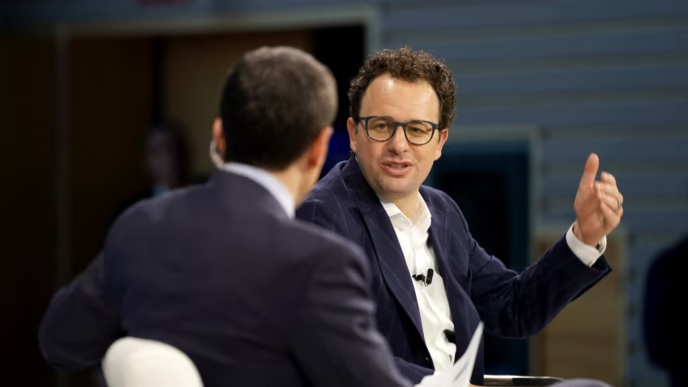
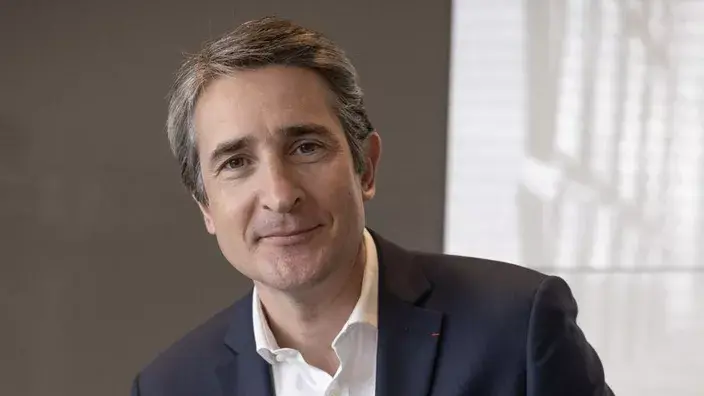
Thales CEO Patrice Caine made the call during a presentation of new military technology in France on Thursday. He argued that artificial intelligence can remain under human control, provided strong technical safeguards receive support from governments.
Caine believes the bigger challenge has moved beyond engineering because companies cannot establish global rules by themselves. Governments, he said, must create a broader framework defining how increasingly capable artificial intelligence systems should operate.
His comments arrive while governments and technology companies remain divided over how quickly stronger AI rules should develop. Some executives favour tougher safeguards, while others warn that excessive restrictions could slow innovation and weaken competitiveness.
The debate becomes particularly important in defence because artificial intelligence increasingly supports decisions involving surveillance, intelligence, targeting, and military coordination. Systems can already process information from drones and satellites much faster than traditional human analysis allows.
Thales therefore finds itself in an unusual position within the wider argument surrounding artificial intelligence governance. The company wants stronger international rules while simultaneously expanding AI systems designed for increasingly demanding military environments.
Thales Wants Governments to Set the Rules for AI
Caine’s argument begins with the belief that technical safeguards alone cannot answer every question surrounding advanced artificial intelligence. Engineers can create restrictions, monitoring systems, human approval processes, and controls around how specific models operate.
However, those protections remain limited when governments do not agree upon wider standards governing development and deployment. An international AI framework could create common expectations covering safety, accountability, transparency, and acceptable uses across different countries.
Caine described AI governance primarily as a government responsibility rather than another technical problem companies should solve independently. He said the world needs proper rules operating alongside the safeguards already being built into artificial intelligence systems.
That view places Thales inside a widening debate over whether voluntary company safeguards can remain sufficient. Recent discussions have focused increasingly on independent evaluation, government oversight, and international cooperation around powerful frontier systems.
France faces another complication because policymakers simultaneously want stronger governance and faster European artificial intelligence development. French Finance Minister Roland Lescure recently urged Europe to accelerate investment and reduce its dependence on American technology providers.
Those goals can appear difficult to balance because stronger regulation may increase costs while faster development demands substantial investment. Europe must therefore decide how to strengthen its domestic capabilities without abandoning the safeguards policymakers increasingly consider necessary.
That tension looks even sharper inside defence, where governments worry about both technological dependence and operational security. Relying heavily on foreign platforms can create concerns around data, supply chains, strategic autonomy, and long-term military capabilities.
Artificial intelligence is also becoming more important because modern battlefields generate enormous quantities of information every minute. Drones, satellites, radar systems, sensors, cyber tools, and surveillance platforms continuously produce data commanders must process quickly.
AI can help combine those information streams, identify patterns, highlight potential targets, and support faster military decisions. The same capabilities create difficult questions when machines become more involved in decisions carrying serious physical consequences.
An international AI framework would therefore need to address more than consumer chatbots or workplace automation. Defence applications raise additional questions about human control, autonomous systems, accountability, escalation, and acceptable military uses of artificial intelligence.
Those questions are already receiving attention beyond Europe because security specialists are discussing safeguards for military AI internationally. American and Chinese experts have recently proposed stronger controls around autonomous systems, particularly where nuclear or cyber risks are involved.
HexaForce Shows Why AI Sovereignty Matters to Thales
Thales made its regulatory comments while promoting HexaForce, its newly launched AI-enhanced command-and-control platform. The system is designed to support operations spanning land, air, sea, cyber, space, and information environments.
HexaForce combines information from different military sources and uses artificial intelligence to help commanders understand changing situations. Thales says experimentation increased the number of targeting objectives processed daily from roughly 100 to 1,000.
The company describes the platform as open, interoperable, and sovereign, reflecting Europe’s wider push for greater technological independence. It was designed to work alongside existing military systems and within multinational coalition environments.
The timing is significant because NATO previously selected Palantir Technologies’ Maven Smart System for command operations at its headquarters. Palantir’s growing role has contributed to wider European concerns about dependence on American platforms for strategically important technologies.
Thales has played down suggestions that HexaForce exists simply as a direct competitor to Palantir’s technology. However, the company has clearly positioned sovereignty as an important part of its message surrounding military artificial intelligence.
That distinction matters because Europe increasingly wants greater control over the technology supporting its defence infrastructure. Governments want systems capable of working with NATO partners while reducing dependence on companies headquartered outside Europe.
Thales says HexaForce has already been tested for interoperability with command systems operated by other NATO members. The platform has also been evaluated against NATO Federated Mission Networking requirements for multinational military operations.
The strategy reflects a broader principle appearing across Thales’ recent technology plans: systems should remain interoperable without sacrificing sovereignty. The company has repeatedly emphasized secure architecture, resilience, open integration, and national control across its defence technology work.
This helps explain why Caine’s call for an international AI framework goes beyond another general statement about responsible technology. Thales builds systems where artificial intelligence could influence decisions made during fast-moving military situations.
For that reason, government oversight becomes directly connected with questions surrounding how those systems are designed and deployed. Technical capability alone does not determine where machines should operate independently or where humans must retain final authority.
Thales has separately argued that trustworthy artificial intelligence should include ethics, transparency, sustainability, and strong security protections. Its recent AI position paper says improving performance must happen alongside maintaining confidence in how systems operate.
The company still faces the same basic challenge confronting governments and competitors across the broader artificial intelligence industry. Rules must protect against serious risks without making development so restrictive that organisations struggle to innovate or compete internationally.
There is also no single global agreement today defining exactly what Caine’s proposed framework should contain. Countries remain divided over regulation, economic competition, defence priorities, and how much responsibility should remain with technology companies.
Still, military AI makes those disagreements increasingly difficult to leave unresolved as systems become faster and more autonomous. Decisions once made entirely by people may gradually depend more heavily on machines sorting enormous quantities of information.
For Thales, the answer appears to combine stronger technology with stronger institutions rather than choosing between development and regulation. The company wants artificial intelligence capable of improving military operations while governments establish clearer international boundaries.
Whether countries can agree on those boundaries remains uncertain because AI has become both an economic opportunity and strategic asset. However, Thales’ message is clear: technical safeguards alone will not determine how safely artificial intelligence develops.
An international AI framework would require governments to decide where responsibility sits before more powerful systems become deeply embedded. In defence especially, those decisions could determine how much control humans retain as artificial intelligence becomes increasingly capable.