AI assistants are quickly moving beyond answering questions and organizing information inside chat windows. AI agents making calls now represent another step toward assistants that can complete everyday tasks without users handling every interaction themselves.
Instinct and Meta’s newly launched Muse assistant have both added outbound calling capabilities for selected users. The features allow their agents to contact businesses directly and complete tasks that still require traditional phone conversations.
For Instinct, the new feature arrives through Instinct Concierge, which founder Noah Shinn announced this week. Early users can ask the assistant to contact restaurants, service providers, dentists, and other businesses on their behalf.
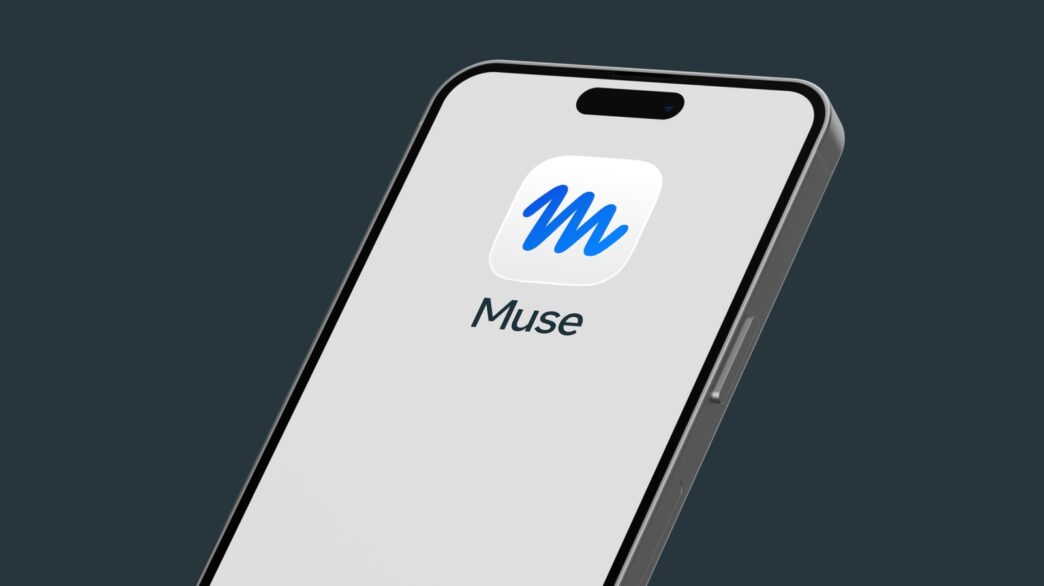
Meta is moving in the same direction with Muse, its consumer-focused AI agent launched earlier this month. Muse can now place calls to businesses across the United States, initially prioritizing users who requested the capability.
The simultaneous rollout shows how quickly competition among consumer AI agents is moving from conversation toward practical execution. The companies increasingly want their assistants judged by what they can accomplish, rather than how naturally they respond.
Instinct Concierge Takes AI Assistance Onto the Phone
Instinct Concierge is designed for tasks that remain difficult to complete through websites, applications, or automated booking systems. A user could ask Instinct to reserve a restaurant that accepts bookings only through telephone conversations.
The assistant could also contact a dentist about cancellation openings or speak with a service provider about billing problems. These situations usually require users to wait, explain themselves repeatedly, and navigate conversations that cannot easily be automated online.
Shinn described Concierge as a service for more complicated requests involving phone calls and higher-touch bookings. The feature is entering early access first, with wider availability expected as Instinct continues expanding the product.
That expansion follows several additions intended to make Instinct operate more like an independent digital representative. The company recently gave assistants dedicated email addresses for managing sign-ups, accounts, and communication without relying entirely on users.
Instinct also allows assistants belonging to trusted users to communicate with one another while coordinating selected tasks. Taken together, those features suggest the company wants Instinct operating across multiple communication channels rather than remaining another messaging assistant.
The strategy has attracted substantial investor attention despite Instinct still being a relatively young consumer product. The company raised $250 million in a Series B last month, bringing total funding to approximately $350 million.
That round valued Instinct at $2.5 billion after its valuation increased rapidly during the summer. Investors including Index Ventures and Benchmark backed the company as enthusiasm around personal AI agents continued growing.
The attraction becomes easier to understand when considering how many ordinary tasks still involve disconnected websites and conversations. An assistant capable of moving between email, messaging, websites, and telephone calls becomes significantly more useful than traditional chatbots.
However, that usefulness also requires users to give agents considerably more access and authority over personal information. Booking travel, handling subscriptions, reading messages, or resolving bills often involves payment information, credentials, addresses, and private conversations.
Those requirements have already raised privacy questions around Instinct because the assistant needs broad access to connected accounts. As AI agents gain more independence, trust may become just as important as the tasks they can successfully complete.
Meta’s Muse Is Quickly Closing the Feature Gap
Meta launched Muse only recently, but the company is already adding features that bring it closer to independent competitors. Its new outbound calling capability allows Muse to contact businesses inside the United States when users request assistance.
Meta is initially making the feature available to people who previously asked Muse for phone-calling functionality. The company is using those requests to identify users most interested in testing newly introduced capabilities first.
The move removes one advantage that smaller AI assistants previously held over larger competitors entering the market. Phone calling had become a way for rival agents to demonstrate that they could operate beyond familiar browser-based automation.
Now, AI agents making calls are becoming less of a novelty and more of an expected capability. Competition is increasingly moving toward reliability, access, trust, integrations, and how complicated a task each assistant can finish independently.
Muse has already attracted considerable consumer attention since Meta released the application in the United States. Sensor Tower data showed the app climbing to second place on Apple’s U.S. App Store shortly after launch.
That early adoption gives Meta something smaller rivals cannot easily replicate: an enormous existing consumer ecosystem. The company already operates Facebook, Instagram, WhatsApp, Messenger, and a growing collection of hardware and artificial intelligence products.
Yet Meta’s scale may also intensify questions about how much personal information users will share with autonomous assistants. Agents become more valuable as they gain access to calendars, emails, purchases, accounts, preferences, and conversations across different services.
Muse is designed around completing tasks rather than simply generating answers, making those permissions central to its usefulness. Independent testing has already highlighted both the convenience and discomfort created when an assistant receives extensive digital access.
The broader race extends well beyond Instinct and Meta because several startups are developing assistants designed around similar ideas. The goal is increasingly to create software capable of navigating digital services while completing tasks with minimal supervision.
Phone calls are especially important because many everyday services still cannot be completed through modern application interfaces. Restaurants, medical practices, utilities, repair companies, and local businesses frequently depend on voice conversations for complicated requests.
An AI agent capable of handling those interactions closes another gap between digital automation and ordinary offline life. Instead of offering instructions about cancelling a service, the assistant could eventually contact the provider and complete cancellation itself.
That changes the relationship between people and artificial intelligence because the system is no longer simply recommending actions. It begins acting externally, communicating with other people and businesses while representing the user’s interests and instructions.
The challenge will be ensuring those conversations accurately reflect what users actually want without creating unnecessary mistakes. A poorly handled reservation creates inconvenience, while mistakes involving payments, healthcare appointments, or contracts could become considerably more serious.
Companies therefore need clear approval mechanisms, detailed activity histories, and reliable methods for correcting actions when agents misunderstand instructions. Users will likely demand greater visibility as assistants become capable of completing increasingly consequential tasks without constant supervision.
For Instinct and Muse, calling is another milestone in a much larger contest over personal AI assistants. Both companies want users to depend on agents for work that previously required switching between applications and managing everything manually.
The winner may eventually be determined less by which assistant produces the smartest answers inside a conversation. What could matter more is which one reliably completes real tasks without creating additional work afterward.
AI agents making calls bring that competition one step closer to everyday life, where many frustrating tasks remain stubbornly human. The next challenge is proving these assistants can represent people accurately when someone actually answers the phone.