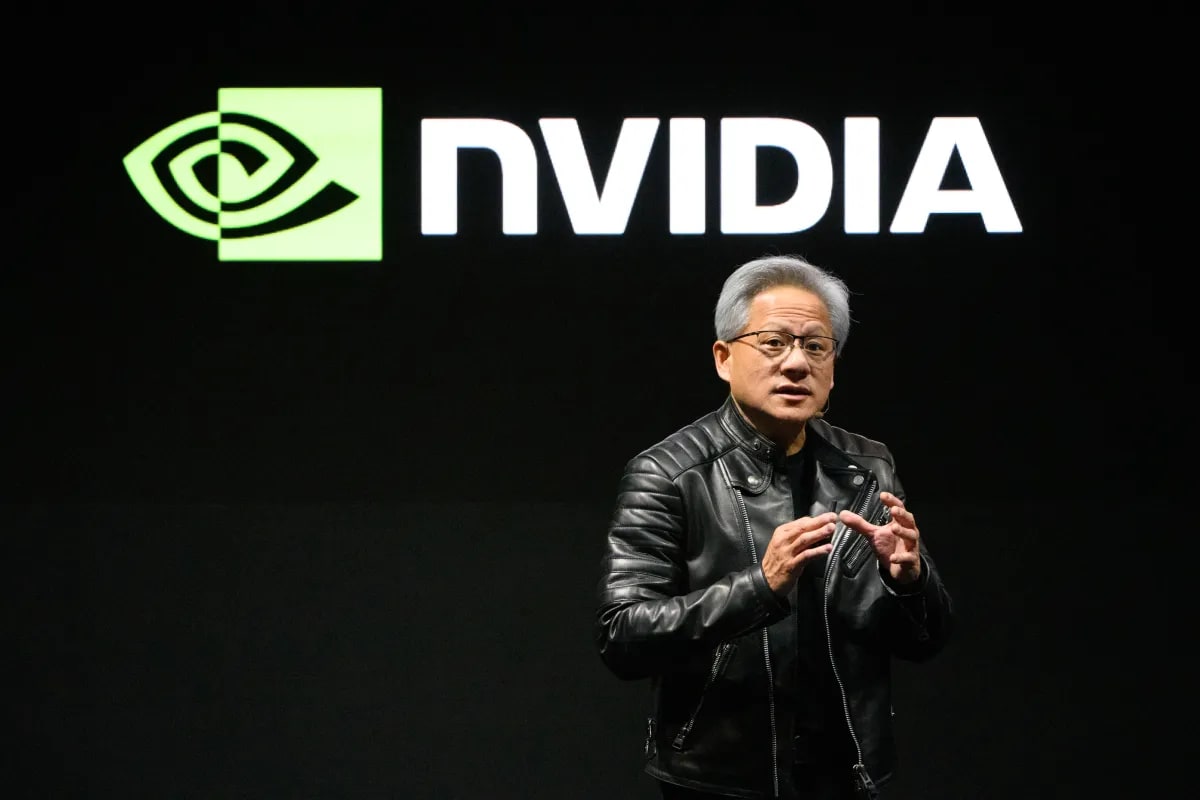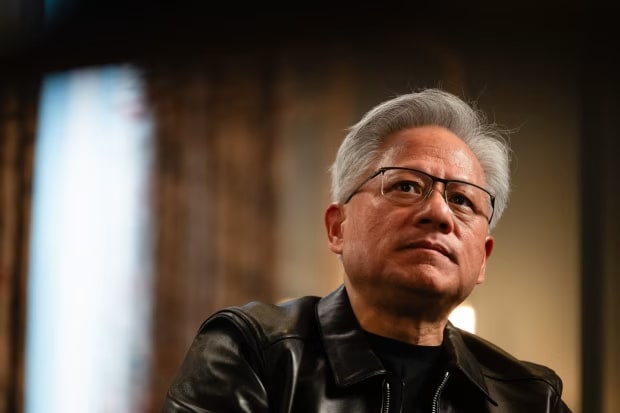
Nvidia CEO Jensen Huang is facing fresh allegations about his personal conduct after reports emerged that he had an extramarital relationship with a senior executive at the company. The new claims have added to an already serious controversy involving a separate relationship with a Chinese businesswoman suspected by US intelligence officials of having ties to Beijing's intelligence services.
The latest Jensen Huang affair allegations were published by The New York Times on November 11, 2026. According to the report, Huang had a relationship with Kimberly Powell, Nvidia's vice president of healthcare, who reports directly to him. The newspaper cited five people who worked at Nvidia and had knowledge of the alleged relationship.
The revelations have raised questions about Huang's future at the company he co-founded more than three decades ago. Nvidia's board is already investigating whether he was targeted by a foreign intelligence operation. Now, the additional allegations have introduced concerns about workplace relationships, conflicts of interest, and corporate governance.
The controversy comes at a sensitive time for Nvidia, which has become one of the most influential companies in artificial intelligence. Its chips power AI systems developed by major technology companies worldwide. As a result, the possibility of a leadership change has become a serious concern for investors and the wider technology industry.
Jensen Huang Affair Allegations Involving Nvidia Executive Kimberly Powell
The New York Times reported that Huang and Powell had an extramarital relationship while both were married to other people. According to five current or former Nvidia employees cited by the newspaper, the relationship was known to some people within the company. The report also described an incident during a conference in San Jose, California, earlier this year.
Sources told the newspaper that Huang and Powell appeared in a video showing them behaving affectionately at a hotel. The reported footage has become one of the details drawing attention to the allegations. However, the video has not been independently verified in the reporting reviewed for this article.
Powell holds a senior position at Nvidia, where she oversees healthcare-related business activities. Her role involves an industry that increasingly relies on advanced computing and artificial intelligence. Nvidia has expanded its presence in healthcare by providing technology used in medical research, drug discovery, and AI-powered applications.
The fact that Powell reportedly answers directly to Huang makes the allegations particularly significant. Many large companies discourage romantic relationships between executives and employees who report to them. Such relationships can create concerns about favoritism, workplace pressure, and whether professional decisions remain fair.
Nvidia's code of conduct requires employees to avoid situations that could create conflicts of interest, including those involving personal relationships. The company also maintains procedures for investigating reported misconduct. However, it remains unclear whether Nvidia had previously received any formal complaint concerning Huang and Powell.
The allegations have also raised questions about whether Huang disclosed the reported relationship to Nvidia's board. Public reporting has not established whether such a disclosure occurred. That distinction could matter because corporate policies often require executives to report potential conflicts before they affect workplace decisions.
The latest claims follow Huang's earlier acknowledgment that he had been unfaithful to his wife. In a message to Nvidia employees, the CEO apologized for his conduct after reports emerged about his relationship with Alice Huang, a Chinese businesswoman linked to Singapore-based data company Megaspeed.
US intelligence officials reportedly suspect Alice Huang of working with Chinese intelligence services. Those allegations have not been established through a public court finding, and her exact relationship with Chinese authorities remains a matter of reported intelligence assessments.
The first controversy attracted attention because of Nvidia's importance to US technology and national security. The company manufactures advanced AI processors that are subject to export restrictions involving China. Consequently, questions about the CEO's personal relationships have extended into concerns about possible foreign intelligence activity.
Nvidia has not publicly established that its confidential information was compromised. In its November 8 statement, the board said it had no reason to believe national security or company secrets had been affected. Nevertheless, it announced an independent investigation to examine the circumstances surrounding the reported foreign intelligence effort.
Nvidia Board Investigation Raises Questions About Jensen Huang's Future
Nvidia's board began its formal investigation on November 8, 2026, following the initial reports about Huang's relationship with Alice Huang. The company appointed a committee of independent directors to oversee the process. Outside legal advisers were also brought in to ensure the investigation could examine the allegations independently.
On November 10, Nvidia announced that the independent directors had retained Joon H. Kim, a former acting US attorney for the Southern District of New York. His law firm, Wachtell, Lipton, Rosen & Katz, was also engaged to conduct the review. The appointment signaled that Nvidia was treating the situation as a serious governance matter.
Although the investigation initially focused on possible foreign intelligence activity, the new Jensen Huang affair allegations have created additional questions for the board. Directors may need to determine whether the reported relationship with Powell violated company policies. They may also need to examine whether the allegations affect Huang's ability to continue leading Nvidia.
Meanwhile, the controversy has reached Washington. Republican lawmakers have sought answers about Huang's reported relationship with the Chinese businesswoman. Two House Republicans also warned that congressional subpoenas could follow if Huang failed to cooperate with requests for a private briefing.
The potential involvement of Congress has increased the pressure on Nvidia. US lawmakers have spent years debating restrictions on advanced semiconductor technology entering China. Because Nvidia occupies a central position in that industry, questions about possible intelligence threats involving its CEO carry significant political consequences.
The situation became more serious on Wednesday evening when The Wall Street Journal reported that Nvidia's board was preparing to remove Huang as CEO. According to people familiar with the matter, directors were expected to meet to discuss his future. The report followed the publication of the allegations involving Powell.
Reuters subsequently reported the possible removal but said it could not independently verify the claims. Nvidia had not immediately responded to requests for comment. Therefore, reports about the board preparing to dismiss Huang should not be treated as confirmation that a final decision has been made.
Investors have already reacted to the uncertainty. Nvidia shares dropped by about 8% in after-hours trading on November 11 following reports of the possible leadership shake-up. The decline reflected concerns about the consequences of losing an executive closely associated with the company's success.
Huang co-founded Nvidia in 1993 and has served as CEO since its establishment. Under his leadership, the company moved beyond graphics processors and became a dominant supplier of computing infrastructure for artificial intelligence. His long tenure has also made him one of Silicon Valley's most recognizable business leaders.
That history makes replacing him a difficult task. Nvidia's technology strategy, customer relationships, and engineering culture have developed under Huang's leadership for more than 30 years. A sudden departure could leave the company facing difficult questions about succession and long-term direction.
However, the board must also consider its responsibility to shareholders, employees, and regulators. Maintaining investor confidence requires more than protecting a company's financial performance. Directors must also ensure that senior executives follow workplace policies and meet appropriate standards of corporate conduct.
The allegations involving Powell have brought another dimension to Nvidia's leadership crisis. Unlike the first reported relationship, which raised possible national security concerns, the latest claims focus more directly on workplace ethics and executive accountability. Both issues could influence how the board evaluates Huang's position.
For now, the Jensen Huang affair controversy remains an evolving situation. The alleged relationship with Powell has been reported by multiple news organizations, but Nvidia has not publicly announced findings establishing misconduct in that matter. The company's independent investigation into the reported foreign intelligence effort also remains important to any decision about its leadership.
What happens next could have consequences far beyond Huang's personal reputation. Nvidia stands at the center of the global AI industry, and any major leadership change would attract close attention from investors, customers, and governments. Until the board announces its conclusions, Huang's future as CEO remains uncertain.