Making a simple phone call to a business can still mean navigating menus, waiting on hold, and repeating basic information. Google wants Gemini to handle more of that frustration while keeping users close enough to step in when necessary.
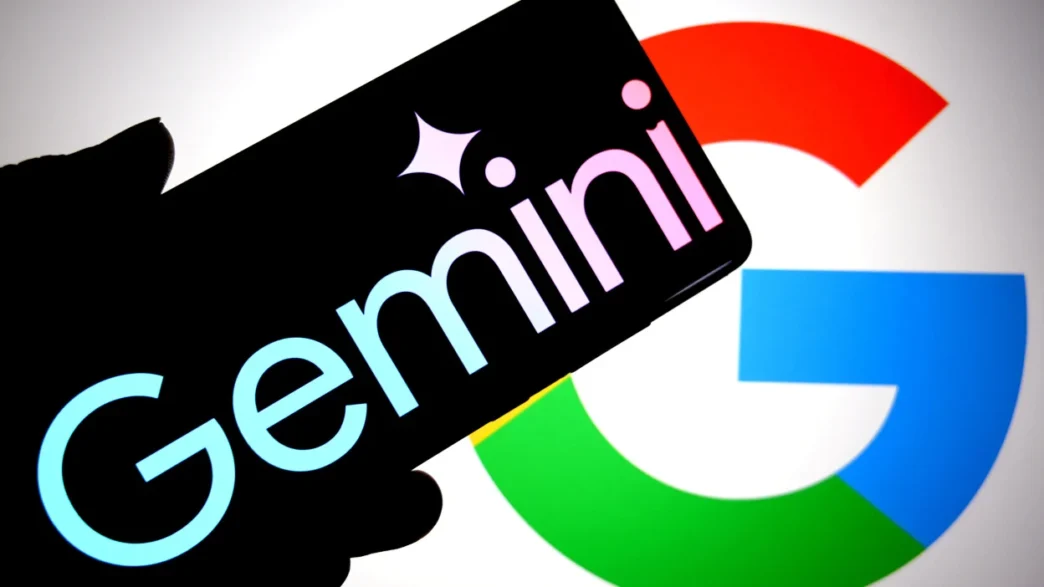
The company is testing a new Gemini call businesses feature called Call for Me for selected Pixel users in the United States. The experiment will initially be available to Pixel 11 owners with a paid Gemini subscription using the beta Phone app.
Unlike Google’s earlier calling tools, the new system can carry approved personal information into conversations on a user’s behalf. That change allows Gemini to handle more complicated requests instead of simply asking businesses about prices or availability.
Users could ask the assistant to contact a restaurant for a reservation or move an existing appointment to another day. Gemini can also check whether a store has an item available and ask staff to hold it for pickup.
The new Gemini call businesses experiment reflects a wider shift in consumer AI as assistants become capable of taking actions. Instead of giving instructions and leaving people to finish the job, AI agents increasingly complete parts of the process themselves.
Meta’s Muse and other emerging agents are pursuing similar ideas by communicating with outside services for their users. Google has an advantage, however, because phone-assistance features have already been built into Pixel devices for several years.
Gemini Call Businesses Feature Goes Beyond Simple Assistance
Google has experimented with automated calling technology long before generative AI became widely available. Its 2018 Duplex demonstration famously showed Google Assistant contacting a salon and holding a surprisingly natural conversation while arranging an appointment.
That demonstration attracted attention because the system could respond conversationally rather than simply playing a recorded message. Since then, Google has introduced several smaller tools designed to remove common frustrations from business phone calls.
Direct My Call, for example, displays automated phone menu options directly on supported Pixel devices. Users can read the available options and tap their choice instead of waiting for each menu item to be spoken.
Hold for Me tackles another common problem by waiting while a business places someone on hold. The feature alerts users when a representative becomes available, reducing the need to listen continuously to hold music.
Google later introduced Ask for Me, allowing Gemini to call businesses and gather information about services or pricing. The new Gemini call businesses capability expands that idea by supporting transactions and changes that require more information from users.
The most significant change involves how Gemini can use personal details during those conversations. Users approve what information the assistant is allowed to share before the call progresses.
This could include information needed to identify an appointment or complete a restaurant booking. Giving Gemini access to those details makes the agent more useful, but it also raises the importance of clear user controls.
Google appears to be addressing that concern by keeping people involved throughout the process. Call for Me uses the user’s own phone number, with the call placed directly through their device rather than an unrelated Google number.
Users will also see a live transcript showing how the conversation develops. If Gemini misunderstands something or reaches a point requiring personal judgment, the user can immediately take control of the call.
That human handoff could become one of the most important parts of the Gemini call businesses experience. Real conversations regularly involve unexpected questions that automated systems cannot predict before a call begins.
Gemini is also designed to introduce itself when contacting a business, rather than pretending to be the person who requested the call. It can then navigate automated menus, wait on hold, and continue speaking when someone answers.
These steps might sound ordinary when performed by a person, but combining them inside one automated workflow is technically difficult. A business call can move between recorded menus, hold systems, employees, unexpected questions, and background noise within minutes.
Google Is Testing How Much Calling Users Will Delegate
The Gemini call businesses feature arrives as AI companies compete to build assistants that can complete longer tasks independently. Calling local businesses represents a practical test because success can be measured through ordinary outcomes that users immediately understand.
Someone asking whether a television is available does not need a lengthy AI explanation. They simply need the assistant to contact the store, confirm availability, and return with an accurate answer.
The same principle applies to changing an appointment or reserving a restaurant table. These tasks are usually straightforward, but completing them can consume time when businesses rely heavily on telephone communication.
For Pixel owners, Google already has several pieces of the required technology inside its Phone app. Direct My Call currently works with automated systems in the United States and United Kingdom, while providing real-time menu information during eligible calls.
Google also says audio and transcripts from Direct My Call and Hold for Me remain on the device unless users choose to share them. Unshared recordings and transcripts are automatically deleted from the device after 48 hours.
Google has not yet provided equivalent detailed public documentation for every privacy aspect of the new Call for Me experiment. Those questions will become more important if the feature expands beyond its small initial test group.
The limited rollout also suggests Google understands how easily automated calling could create problems when conversations go wrong. The company says real-world conversations are nuanced and wants to improve the system before expanding availability.
That caution is understandable because businesses will also experience the consequences of widespread AI calling. Employees could increasingly find themselves speaking with automated agents representing customers rather than the customers themselves.
If the technology works well, businesses may barely notice much difference beyond the disclosure that an AI agent is calling. If it performs poorly, companies could face confusing conversations, repeated calls, or incorrectly communicated customer requests.
For users, the value of Gemini call businesses will ultimately depend on reliability rather than novelty. An agent that saves ten minutes on hold is useful, while one that creates incorrect reservations or misunderstood requests quickly becomes frustrating.
Google is beginning with Pixel 11 owners who already pay for Gemini and choose to use the beta Phone application. That controlled environment should give the company more information before deciding whether Call for Me belongs on more Android devices.
The direction is already clear even if the experiment remains limited. Google increasingly wants Gemini to move beyond answering questions and become something users can trust with everyday actions.
The Gemini call businesses feature puts that ambition into one of the most familiar parts of daily life. Instead of asking AI what number to call, users may soon ask it to make the call and return when the job is finished.