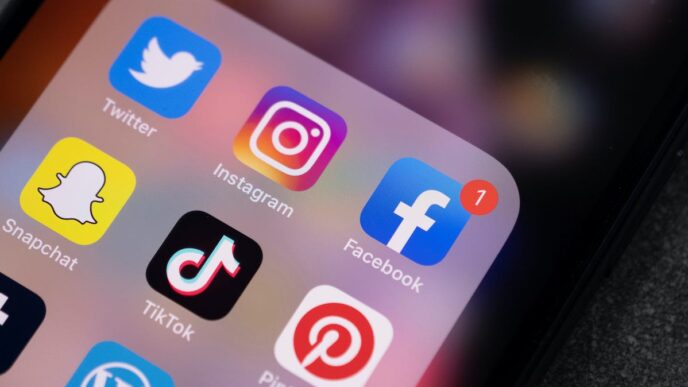

Startups are building narrower products like apps, and this app-first mindset is becoming one of the most important shifts in modern software. Instead of designing platforms that try to replace entire departments, founders are now building products that behave like a single, focused app. This change reflects how users actually interact with technology today. People do not live inside platforms. They live inside apps that solve one clear problem quickly.
For a long time, startups chased the idea of being an all-in-one solution. They believed that broader scope meant higher value. However, that logic has broken down. Users are overwhelmed by complex dashboards and endless features. As a result, adoption slows and engagement fades. App-like products avoid this trap by offering one clear job and doing it exceptionally well.
An app mindset forces clarity from day one. When a startup builds like an app, every screen must earn its place. There is no room for vague features or speculative workflows. Each interaction must feel necessary and intuitive. This discipline leads to products that users understand instantly, which increases activation and reduces churn.
Mobile culture has heavily influenced this shift. Even B2B buyers now expect consumer-grade simplicity. They want software that feels as easy as the apps on their phones. Narrow products align perfectly with this expectation. They reduce cognitive load and shorten the learning curve. Consequently, users reach value faster and trust the product sooner.
AI has amplified the power of app-like products. With intelligence running in the background, a single app can deliver results that once required a full platform. This allows startups to hide complexity while exposing only what matters to the user. The result feels magical rather than overwhelming. Users care about outcomes, not architecture.
Building like an app also changes how startups think about scope. Instead of asking what features to add, teams ask what friction to remove. This shift leads to tighter feedback loops and faster iteration. Because the product is small and focused, changes can be tested quickly. Over time, this speed becomes a competitive advantage.
From a go-to-market perspective, app-like products are easier to explain. Marketing becomes straightforward because the value proposition is specific. Users immediately know why the app exists and when to use it. This clarity improves conversion rates across landing pages, app stores, and referrals. Broad platforms struggle here because their message is often diluted.
Sales cycles are shorter with narrower products. Buyers can try an app, experience value, and decide quickly. There is no need for long demos or complex onboarding. This self-serve motion scales better and costs less. As budgets tighten, startups that sell like apps gain an edge.
Retention also improves when products behave like apps. Users form habits around focused tools. They return because the app fits naturally into their workflow. Platforms often fail to create this habit because they are too general. Focused apps win by becoming indispensable in one moment of the day.
Engineering teams benefit as well. Smaller products mean cleaner codebases and fewer dependencies. Teams ship faster and fix bugs more easily. This reduces technical debt and burnout. Developers can focus on polishing the experience instead of maintaining bloated systems.
Pricing strategies align naturally with app-like products. When value is tied to a single action or outcome, pricing feels fair and transparent. Users understand what they are paying for. Platforms struggle to justify pricing because value is spread across many features. Apps avoid this confusion by design.
Customer support becomes simpler when the product is narrow. Fewer features mean fewer edge cases. Documentation is clearer and onboarding flows are easier to refine. Support teams spend less time explaining and more time improving the product. This creates a better feedback loop between users and builders.
Importantly, building like an app does not limit long-term growth. Many successful companies start with one app and expand later. The key difference is sequencing. They earn trust with a focused experience before adding adjacent capabilities. Expansion feels natural because the core remains strong.
This approach also reduces competitive pressure. Instead of competing with large platforms, app-like startups compete within a narrow use case. This makes differentiation easier. Once they dominate that niche, they gain leverage to grow outward. Focus becomes a moat rather than a constraint.
User experience quality is higher in app-like products because teams can obsess over details. Animations, load times, and flows matter more when scope is limited. Users may not articulate why the product feels good, but they feel it. That emotional response drives loyalty and referrals.
Operationally, app-focused startups are easier to manage. Roadmaps are shorter and priorities are clearer. Founders spend less time debating features and more time listening to users. This clarity reduces internal friction and speeds decision-making.
Distribution strategies favor app-like products as well. They fit neatly into marketplaces, integrations, and communities. Users discover them in context and adopt them quickly. Platforms often require heavy sales efforts, while apps grow through usage and word of mouth.
Security and compliance also benefit from reduced scope. Fewer data flows mean fewer risks. Startups can meet regulatory requirements faster and with less overhead. This is increasingly important as buyers demand stronger guarantees.
Metrics change when startups think like app builders. Engagement depth matters more than feature count. Daily usage and task completion become the north star. These metrics reflect real value, not vanity growth.
Ultimately, startups are building narrower products like apps because this model aligns with modern behavior. Users want tools that fit seamlessly into their lives. They want speed, clarity, and results. App-like products deliver all three.
This shift signals a more mature startup ecosystem. Founders are choosing focus over hype and usability over ambition theater. Building like an app is not about thinking small. It is about building something people actually use.
As software continues to evolve, the winners will be products that feel obvious, simple, and essential. Startups that embrace the app mindset will move faster, earn trust earlier, and scale more sustainably. In a crowded market, narrow and app-like is no longer a weakness. It is the advantage.