Digg launches its new Reddit rival with a public debut that marks one of the most talked-about revivals in modern internet history. Once a defining name of the early social web, Digg is stepping back into the spotlight with a rebuilt platform designed for today’s online communities. The relaunch places Digg in direct competition with Reddit, while promising a cleaner, more trust-driven approach to social discussion at a moment when users are increasingly wary of bots, manipulation, and toxic behavior.
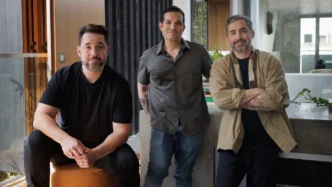
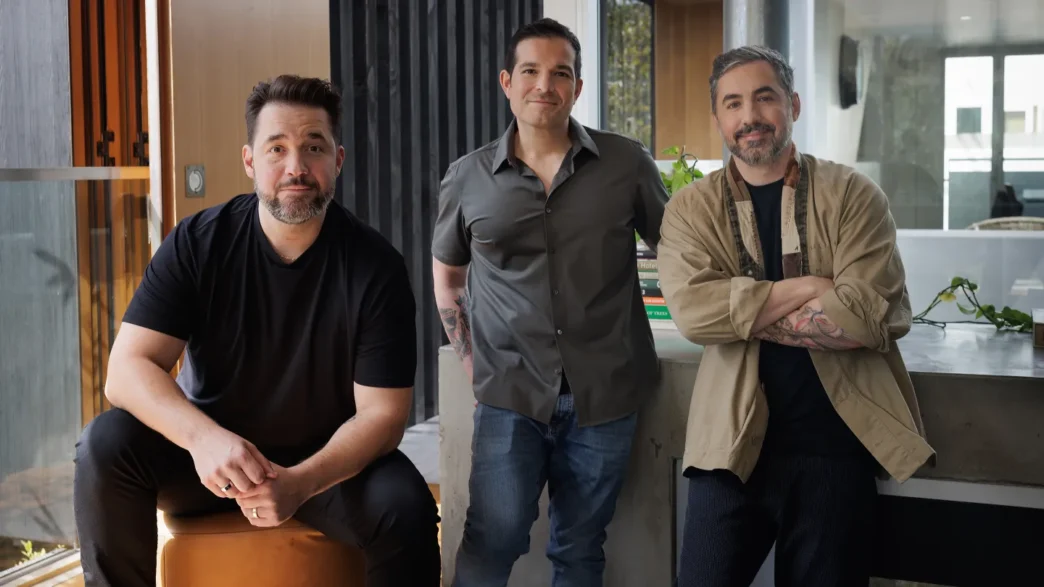
The new Digg is now under the control of its original founder Kevin Rose, alongside Alexis Ohanian, who helped create Reddit. Together, they are opening Digg’s beta to the public after months of limited access. Anyone can now join, explore communities, and even create their own forums around almost any topic imaginable. This move signals Digg’s intention to grow quickly while leaning on lessons learned from the past decade of social platforms.
At its core, Digg launches its new Reddit rival as a familiar yet refreshed experience. Users browse a central feed filled with posts from various communities, join discussions that match their interests, and contribute content through posts, comments, and upvotes. Instead of “upvotes,” Digg revives its classic action by letting users “digg” content they find valuable. The mechanics feel instantly recognizable to anyone who has spent time on Reddit, but the interface has been modernized with a stronger visual focus and smoother navigation.
Digg’s return carries deep historical weight. During the height of the Web 2.0 era, Digg stood as one of the internet’s most influential destinations for discovering news and viral content. At its peak in 2008, the company commanded a valuation of about $175 million and shaped how stories spread online. Yet as user preferences shifted, Reddit steadily overtook Digg by emphasizing community ownership and grassroots moderation. Digg was later broken apart, sold in pieces, and eventually faded from mainstream relevance.
While Digg struggled through ownership changes and shifting strategies, Reddit evolved into a global platform with massive daily engagement. Reddit has since gone public and built new revenue streams, including licensing user content to major artificial intelligence firms such as Google and OpenAI. This contrast highlights how differently the two platforms navigated the last decade of the internet. Now, Digg’s leadership believes the rise of AI creates a rare opening for a second chance.
Rose and Ohanian argue that artificial intelligence has changed the rules of online interaction. Bots can now imitate humans at scale, spam communities, and distort conversations in ways that were impossible in Digg’s early days. At the same time, AI can also help platforms detect abuse, surface quality content, and reinforce trust. Digg launches its new Reddit rival with this dual reality in mind, aiming to use AI defensively rather than allowing it to overwhelm human discourse.
Rather than relying on simple verification badges, Digg is experimenting with a broader concept of trust. The platform plans to collect multiple small signals over time that, together, help establish whether an account represents a real and engaged person. This approach avoids forcing users into heavy identity checks while still raising the bar against fake accounts. Rose has emphasized that the goal is flexibility, not rigid identity rules.
One of the more ambitious ideas involves zero-knowledge proofs, a cryptographic technique that allows someone to verify a fact without revealing sensitive personal data. Digg may use this technology to confirm attributes about users while protecting their privacy. The company is also exploring practical verification within specific communities. For example, a product-focused group could require proof that members actually own or use the product being discussed, strengthening the credibility of conversations.
Digg is also looking beyond traditional verification by drawing on contextual signals from real-world interactions. Mobile devices, for instance, could help confirm that users attended the same meetup or event. These signals would not stand alone, but instead contribute to a layered trust profile that communities can choose to enforce in different ways. This modular approach gives moderators more control while avoiding a single all-or-nothing solution.
Community structure sits at the heart of Digg’s strategy. Before the public launch, the platform hosted a limited set of broad communities covering areas such as gaming, technology, and entertainment. Access was restricted to tens of thousands of invited users. With the open beta, Digg removes those limits. Anyone can now create a community around even the most niche interest, a feature that early testers repeatedly requested.
Moderation is another area where Digg hopes to differentiate itself. Each community is run by its own manager, similar to a moderator, who sets rules and enforces standards. Importantly, Digg plans to make moderation logs visible to the public. This transparency allows members to see how decisions are made and helps build confidence that rules are applied fairly. Over time, Digg expects to expand moderation tools and allow multiple managers per community.
The platform’s design has evolved significantly since the private beta. Digg now features a customizable sidebar where users can pin favorite communities for quick access. The main feed has been optimized for visual content, reflecting how people consume information today. These changes aim to balance the depth of text-based discussion with the immediacy of images and media that dominate modern social platforms.
Leadership at Digg describes the relaunch as intentionally lightweight. Rather than shipping a fully polished ecosystem on day one, the company plans to iterate rapidly based on user feedback. New features, integrations, and customization options will roll out continuously. A movie discussion community, for example, could eventually integrate ratings from external services, adding richer context to conversations.
Digg’s current chief executive, Justin Mezzell, has framed this approach as building while flying. The team is focused on fast experimentation, frequent updates, and close collaboration with community managers. This philosophy reflects a broader shift in product development, where platforms evolve alongside their users rather than dictating fixed experiences from the start.
The company is also rethinking how moderators are supported. Unlike Reddit, which relies heavily on unpaid volunteer labor, Digg acknowledges that moderation is real work that shapes the platform’s success. While specific compensation or incentive models have not been finalized, leadership has stated that improving the moderator experience is essential. Some experienced Reddit moderators have already joined Digg as advisers to help guide these decisions.
Beyond text and forums, Digg is exploring media formats that highlight popular content across the platform. An AI-generated podcast summarizing trending stories has been tested, but user feedback suggests a preference for human hosts. The team is now considering shifting to a more traditional podcast format, blending automation with a personal touch that listeners trust.
Financially, Digg remains quiet about exact funding details. The acquisition that returned Digg to Rose and Ohanian involved backing from True Ventures, Ohanian’s firm Seven Seven Six, and S32. Despite limited disclosure, Rose has suggested that the team has years of runway, allowing them to focus on product-market fit rather than immediate monetization pressure.
Timing plays a critical role in Digg’s comeback story. Social media users are increasingly frustrated with algorithmic feeds, misinformation, and engagement tactics that prioritize outrage over value. At the same time, regulators and advertisers are scrutinizing large platforms more closely. Digg launches its new Reddit rival into this environment with a promise of transparency, trust, and community empowerment.
Whether Digg can reclaim cultural relevance remains uncertain. Reddit benefits from massive scale, entrenched communities, and global brand recognition. Yet Digg’s founders believe there is room for an alternative that learns from past mistakes and adapts to today’s challenges. By blending classic community mechanics with modern trust tools, Digg hopes to offer a space that feels both familiar and refreshingly different.
As the public beta rolls out, all eyes will be on how quickly Digg attracts active communities and whether its trust experiments resonate with users. Success will depend less on nostalgia and more on execution. Still, the relaunch proves that even in a crowded social landscape, there is appetite for rethinking how online communities should work.