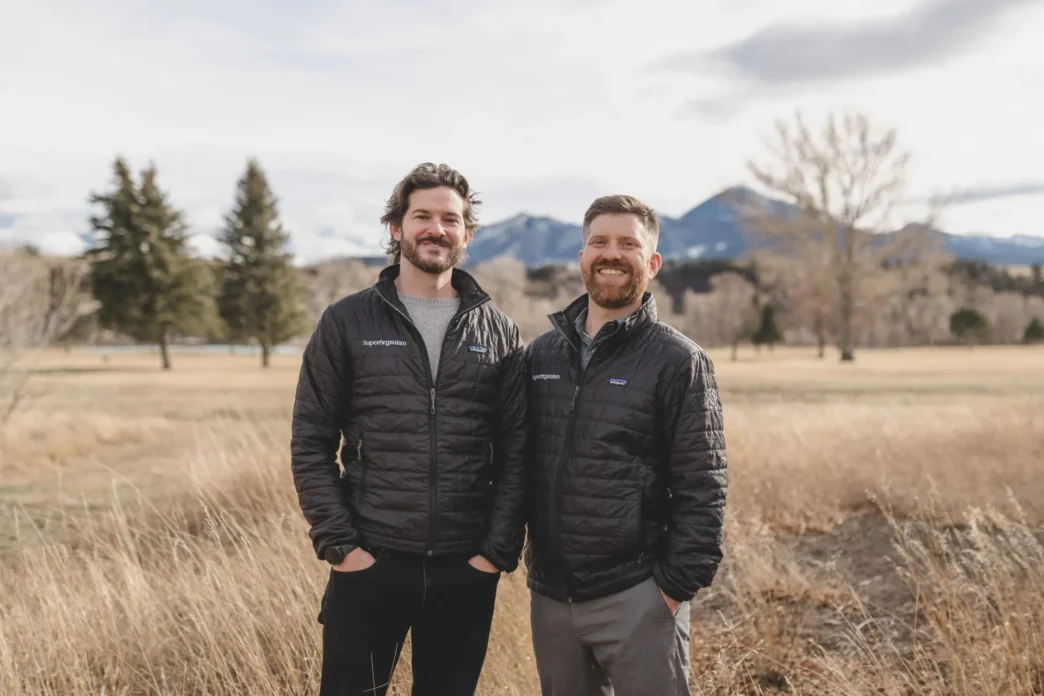
Superorganism biodiversity venture capital is gaining serious momentum after the firm closed its first fund with $25.9 million in commitments, marking a major vote of confidence for startups focused on protecting nature. Launched in 2023, Superorganism positions itself as the first venture capital firm built specifically around biodiversity, not as a subset of climate investing but as its own category with distinct risks, returns, and impact goals. The firm aims to act as a conservation advocate inside startup cap tables while still operating with venture-scale ambition.
The new fund drew backing from major institutional and strategic supporters, including Cisco Foundation, AMB Holdings, and Builders Vision. Individual investors also joined the round, most notably Jeff Jordan. Together, the mix of capital signals growing belief that biodiversity-focused startups can deliver both measurable impact and competitive financial returns.
Superorganism biodiversity venture capital targets companies operating across three tightly defined areas. The first includes technologies designed to slow or reverse species extinction. The second focuses on startups working where climate change and biodiversity loss overlap. The third backs tools that help conservationists operate more efficiently at scale. This structure allows the firm to invest broadly without losing focus on its core mission of reducing nature loss.
The fund typically writes checks ranging from $250,000 to $500,000 into pre-seed and seed-stage companies. This early-stage approach allows Superorganism to shape company direction from the start while taking meaningful ownership positions. In a notable twist on the standard venture model, the firm has also committed to donating 10 percent of its profits to future conservation efforts, reinforcing its long-term commitment to biodiversity beyond financial returns.
Kevin Webb, a managing director at Superorganism, explained that the firm’s philosophy mirrors climate investing but with a different core metric. Instead of focusing on carbon emissions, Superorganism measures success through reduced nature loss and improved ecosystem health. This framing helps investors understand biodiversity as a distinct economic challenge rather than a secondary climate issue.
One portfolio company that captures this approach is Spoor, a startup using computer vision software to track bird movements and migration patterns near wind farms. By predicting flight paths, the technology helps developers reduce bird fatalities while staying compliant with strict environmental regulations. This creates a rare alignment where biodiversity protection also lowers project delays and financial risk for renewable energy operators.
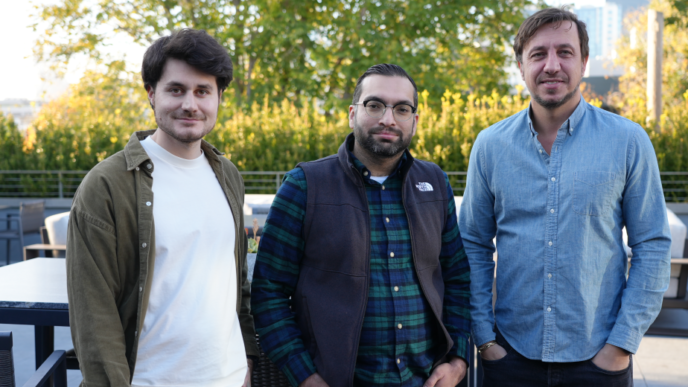
Superorganism’s origins trace back to what its founders describe as a moment of kismet. Webb began making angel investments in biodiversity-focused startups to test whether the space could support a full venture fund. Around the same time, he connected with Tom Quigley, whose background impressed him enough to spark deeper conversations. Those discussions eventually led the pair to formally start building the firm in 2022.
Since then, the political environment around climate and conservation in the United States has shifted significantly. Despite that uncertainty, Superorganism biodiversity venture capital still reached its $25 million fundraising target without major setbacks. Quigley noted that some limited partners initially struggled to see how biodiversity investing differs from climate funds, but the distinction becomes clear once they examine the diversity of the portfolio.
According to Quigley, the firm is intentionally building a portfolio that spans industries, technologies, and customer types. This strategy reduces exposure to sector-specific downturns or sudden policy shifts. It also helps demonstrate that strong biodiversity companies can exist in many forms, from software platforms to physical goods and industrial solutions.
Many biodiversity challenges also cut across partisan divides in ways climate policy often does not. Quigley pointed to Florida governor Ron DeSantis publicly praising Inversa, another Superorganism portfolio company, for helping address invasive python populations in the Everglades. Inversa turns invasive species into leather products, offering an economic incentive to support ecosystem restoration.
So far, Superorganism has invested in 20 companies and expects to grow the portfolio to roughly 35 startups under this fund. The firm sees itself as a catalyst for the broader venture ecosystem, helping other investors take their first steps into biodiversity-focused investing. By identifying and supporting early winners, Superorganism hopes to prove that biodiversity venture capital is not just viable, but essential.
As biodiversity loss accelerates worldwide, Superorganism’s successful fundraise suggests investor attitudes may be shifting. Nature-focused startups are increasingly viewed not as philanthropic side projects but as scalable businesses addressing urgent global risks. With fresh capital deployed and a growing portfolio, Superorganism is positioning itself at the center of that emerging market.