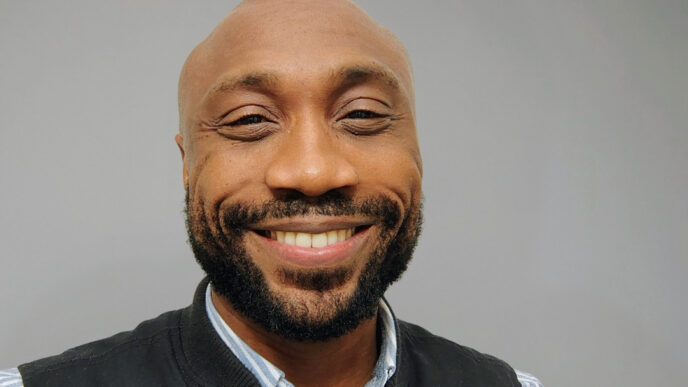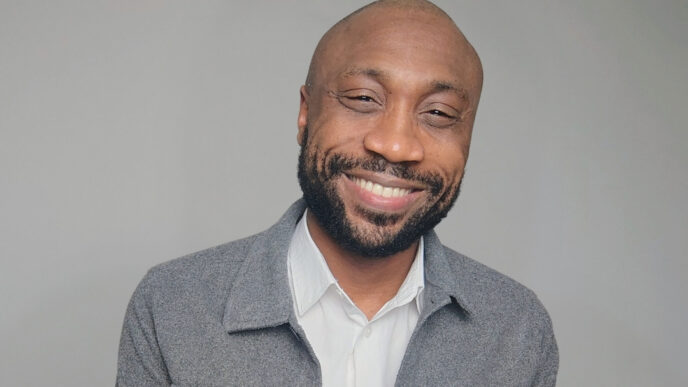
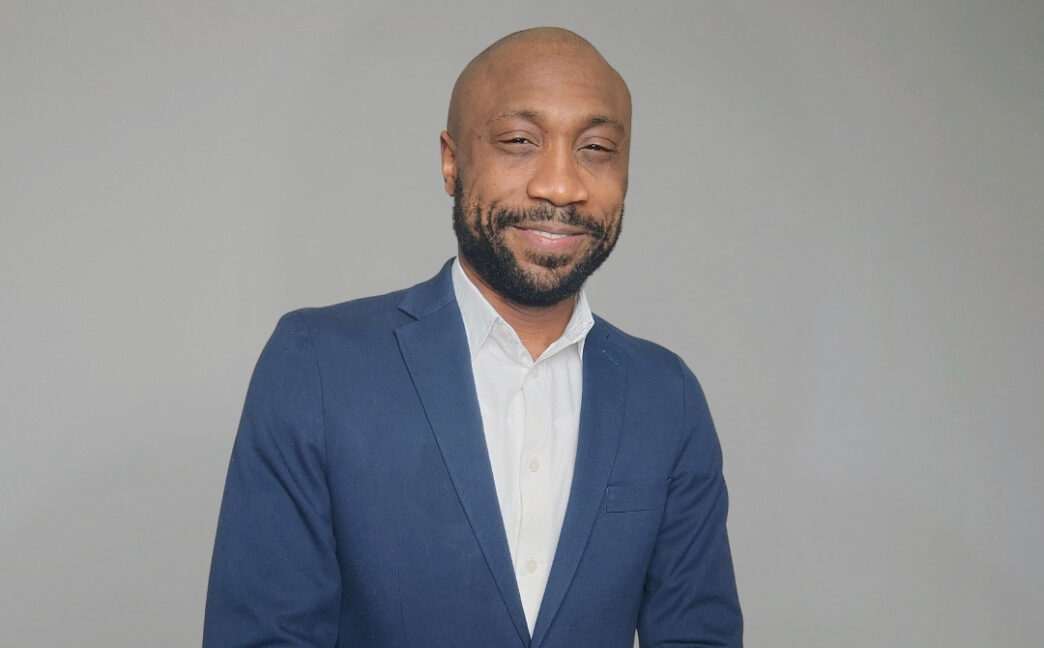
Startup life is often described as thrilling, but few talk about the quiet pressure that follows founders everywhere. Sam Ojei began challenging this reality by asking why company creation is still designed to test emotional endurance instead of enabling smart execution.
Behind the success stories and funding announcements lies a daily struggle that most founders recognize instantly. Decisions pile up quickly. Time feels scarce. Responsibility expands faster than confidence. Even when a startup gains traction, the sense of uncertainty rarely fades.
This experience has become normalized across the startup ecosystem. Long hours are expected. Stress is glorified. Burnout is brushed aside as part of the journey. Failure is framed as a lesson, even when it costs years of effort and personal stability.
Sam Ojei does not believe this should be accepted as the default.
Rather than treating founder hardship as unavoidable, Sam Ojei is redefining startup creation by rethinking the structure behind it. His work focuses on removing unnecessary risk, reducing isolation, and building companies through shared execution instead of solo survival. At the center of this shift is the Venture Studio model, redesigned with founders in mind.
The problem, as Sam Ojei sees it, is not ambition. It is architecture. Founders are asked to carry too much, too early, with too little support. Over time, that imbalance leads to exhaustion, poor decisions, and avoidable failure. Fix the structure, and the outcomes change.
Why the Traditional Startup Model Creates Pressure Instead of Progress
To understand why Sam Ojei’s approach stands out, it helps to examine how startups are typically built. In the traditional venture capital model, everything starts with a pitch. Founders present an idea. Investors evaluate the opportunity. If interest is high, funding follows.
From that moment, expectations accelerate rapidly. Founders must hire, build products, attract customers, and grow revenue before capital runs out. While investors may offer advice or occasional guidance, execution remains almost entirely the founder’s responsibility.
Legal setup, compliance, hiring, product strategy, and go-to-market planning all converge at once. This overload is not a reflection of founder weakness. It is a result of a system that demands speed without structure.
Venture capital relies on probability. Firms invest in many startups, knowing most will fail. One major success offsets the losses. Financially, the math works. On a human level, it often does not. Talented founders burn out. Promising ideas collapse early. Years of effort disappear because the foundation was unstable.
Sam Ojei challenges the assumption that this level of waste is acceptable. He believes many startups fail not because the idea was wrong, but because the support system was missing. Instead of spreading bets thin, his philosophy centers on building fewer companies with stronger foundations.
This belief led Sam Ojei to the Venture Studio model, but with important changes. In his approach, startups are not rushed into existence. Ideas are explored internally. Markets are researched deeply. Problems are defined clearly before solutions are built.
Demand is tested early through real-world signals. Only when a concept shows strong potential does a founder step in to lead it. By that point, the company is no longer a fragile idea. It is a validated opportunity with evidence behind it.
This changes the emotional starting point for founders. Instead of betting everything on hope, they begin with clarity. Confidence comes from data, not guesswork.
Sam Ojei also reframes the role of capital. Money alone does not build companies. Execution does. His studio provides operational strength alongside funding. Product teams, engineers, designers, marketers, and legal experts are already embedded in the system.
Founders do not need to assemble everything from scratch. This removes early chaos and replaces it with experience. Instead of learning through painful trial and error, founders build alongside people who have done it before.
How Sam Ojei Is Redefining Startup Creation in Real Terms
One of the most immediate effects of Sam Ojei’s model is how it reshapes a founder’s daily reality. In traditional startups, founders juggle countless low-impact tasks just to keep things running. Payroll, contracts, tooling, and compliance drain energy that should be spent on customers and strategy.
Within Sam Ojei’s ecosystem, these distractions are centralized. Shared infrastructure handles the essentials. Founders focus on leadership, vision, and growth. This shift does more than save time. It protects mental clarity and decision quality.
Founders think better when they are not constantly reacting to problems. Communication improves. Strategy becomes sharper. Momentum builds without constant pressure.
Just as important is the environment Sam Ojei creates around founders. Instead of operating in isolation, founders work within a shared community. Challenges are discussed openly. Lessons move quickly between teams.
When one company solves a pricing challenge, others learn from it. When a hiring mistake happens, the insight spreads before it repeats elsewhere. This collective learning reduces emotional strain and accelerates progress.
Founders stop feeling like they are failing alone. They begin to see obstacles as part of a shared journey rather than personal shortcomings. Confidence grows steadily, rooted in progress instead of bravado.
Sam Ojei also applies discipline to growth. His studio follows a clear progression. Discovery comes first, identifying real market gaps. Validation follows, testing assumptions against data and unit economics. Only then does full-scale creation begin, with a founder leading execution.
As companies mature, they are prepared for independence. External funding becomes an accelerator, not a rescue mechanism. By the time outside investors step in, the business already has structure, traction, and direction.
This approach resonates strongly with experienced founders and executives. Many have already lived through chaotic early stages. They know hustle alone does not guarantee success. What they want is leverage, focus, and clarity. Sam Ojei’s model delivers all three by removing unnecessary friction.
Across the startup ecosystem, priorities are shifting. Founders are speaking more openly about burnout and mental health. Investors are questioning growth-at-all-costs narratives. Sustainable company building is becoming essential.
In this environment, Sam Ojei’s work feels timely and necessary. He is proving that ambitious companies can be built without breaking the people behind them. Structure does not limit creativity. It enables it. Support does not weaken founders. It strengthens them.
For anyone considering entrepreneurship, the message is simple. Building a company will always be challenging. But it does not need to be lonely, chaotic, or emotionally draining. Sam Ojei is redefining startup creation by showing that collaboration, structure, and empathy can exist alongside speed and ambition.
The startup world is evolving. The myth of the lone founder is fading. In its place is a more thoughtful, more human way to build companies that last. Sam Ojei is not just part of that evolution. He is helping shape what comes next.