Manus joins Meta in a move that is already reshaping how the global tech industry views autonomous AI agents. The fast-growing AI startup has officially become part of Meta, marking one of the most strategically significant AI acquisitions in recent years. While financial terms were not formally disclosed, market speculation places the valuation close to two billion dollars, reflecting the speed at which agent-based AI has moved from experimentation to platform-level importance.
Founded to solve real-world execution problems, Manus built its reputation around autonomous general AI agents that go beyond chat and recommendations. The company focused on building systems that can research, automate workflows, write and debug code, and analyze data with minimal human input. That mission aligns closely with Meta’s broader push to evolve its AI strategy from assistance toward action at scale.
The deal highlights Meta’s intent to move faster in deploying AI agents across both consumer and enterprise products. By bringing Manus into its ecosystem, Meta gains a mature execution layer that already operates at massive scale. At the same time, Manus gains access to the infrastructure and distribution needed to serve billions of users worldwide.
Since launch, Manus has demonstrated uncommon velocity. In only a few months, its AI agent processed more than one hundred and forty-seven trillion tokens. The platform also enabled the creation of over eighty million virtual computers, a signal that its architecture is built for real-world throughput rather than lab demos. These figures helped position Manus as one of the most scalable autonomous agent platforms currently in operation.
The focus on universality set Manus apart early. Instead of building narrow agents for single tasks, the company pursued a general-purpose agent that could adapt across domains. Research, automation, programming, and analytics were treated as interconnected skills rather than isolated features. This approach made the technology attractive to a platform company looking to unify AI capabilities across many products.
Despite joining Meta, Manus will continue to operate independently in several key areas. Its subscription service will remain active through its own app and website. The company will also keep its operational base in Singapore, preserving the structure that allowed it to scale rapidly in the first place. This balance suggests that Meta values Manus not just for its technology, but for its operating model as well.
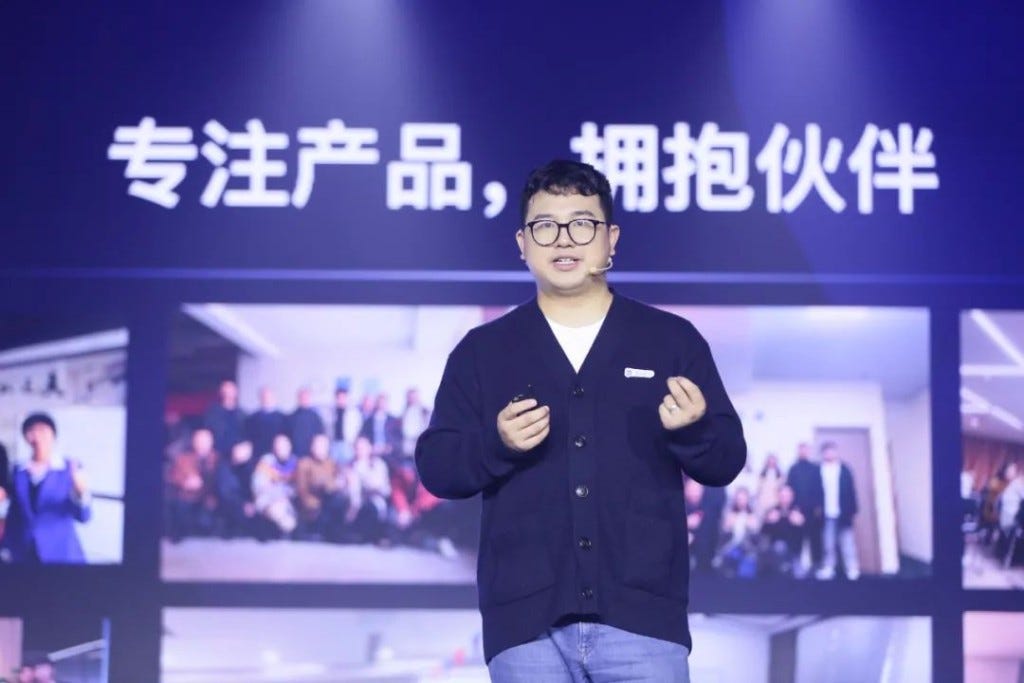
According to CEO Xiao Hong, the transition is designed to strengthen the company without altering how it makes decisions or builds products. The emphasis remains on continuity for existing customers while unlocking long-term growth through deeper integration with Meta’s platforms. This reassurance matters to enterprise users who rely on stability as much as innovation.
For Meta, the acquisition fits into a broader strategy to move from AI features to AI systems. The company has invested heavily in foundation models, compute infrastructure, and developer tools. What Manus adds is an execution layer that turns models into autonomous systems capable of completing end-to-end tasks. That layer has been one of the hardest gaps for large platforms to close.
Manus positions itself as the bridge between advanced models and practical outcomes. Instead of focusing on model training, the team concentrated on reliability, orchestration, and scalability. These are the traits needed to deploy AI agents safely across consumer apps, business tools, and internal workflows. With Meta’s reach, that execution layer could soon operate at unprecedented scale.
The integration roadmap points toward deployment across Meta AI and other products within the group. Over time, Manus technology could power agents that assist users inside messaging apps, business dashboards, developer environments, and creative tools. The long-term vision is not millions of users, but billions interacting with AI agents that act, decide, and execute on their behalf.
This deal also sends a strong signal to founders and investors across the AI ecosystem. Autonomous agents are no longer a niche experiment. They are emerging as a core platform capability. The Manus acquisition shows how quickly specialized agent startups can become strategically critical to global tech companies once their systems prove scalable and reliable.
The global AI market has already shifted from pure model performance toward applied intelligence. Companies now compete on how well AI systems operate in messy, real-world environments. Manus built its reputation in that execution-first space, which helps explain why Meta moved decisively rather than building a similar system from scratch.
Geographically, the deal also reinforces Singapore’s growing role as an AI innovation hub. By keeping its operations there, Manus retains access to regional talent and regulatory stability while plugging into a global distribution network. This hybrid structure could become a model for future AI acquisitions.
As agent-based AI continues to evolve, the line between software tools and autonomous systems will blur further. Manus joining Meta accelerates that shift. It brings execution, scale, and distribution together under one roof, setting a new benchmark for how AI agents move from startup labs to everyday products used worldwide.
For the industry, the message is clear. The next phase of artificial intelligence will be defined less by who trains the biggest models and more by who deploys agents that work reliably at scale. Manus and Meta have just placed a strong bet on that future.