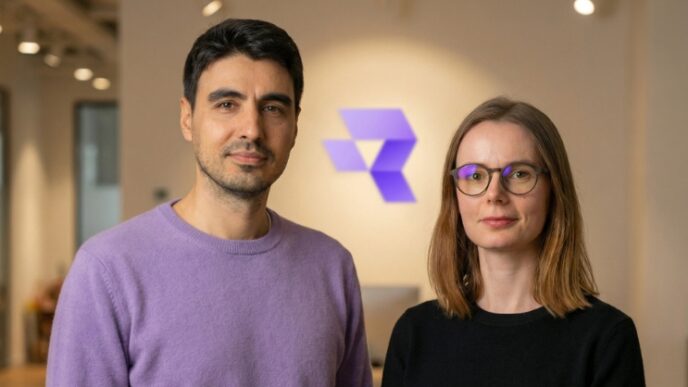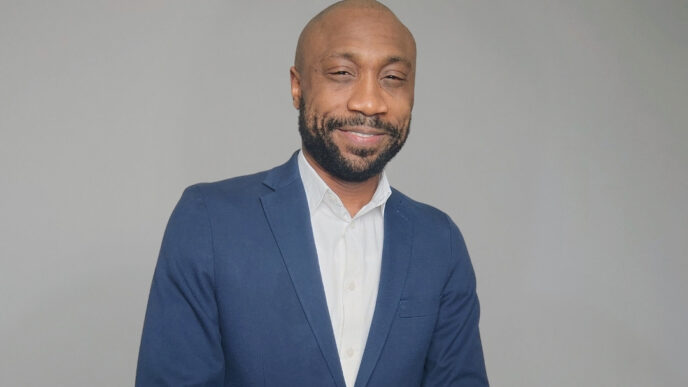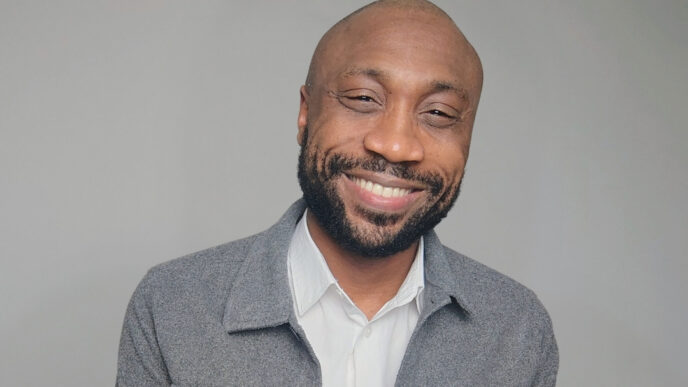
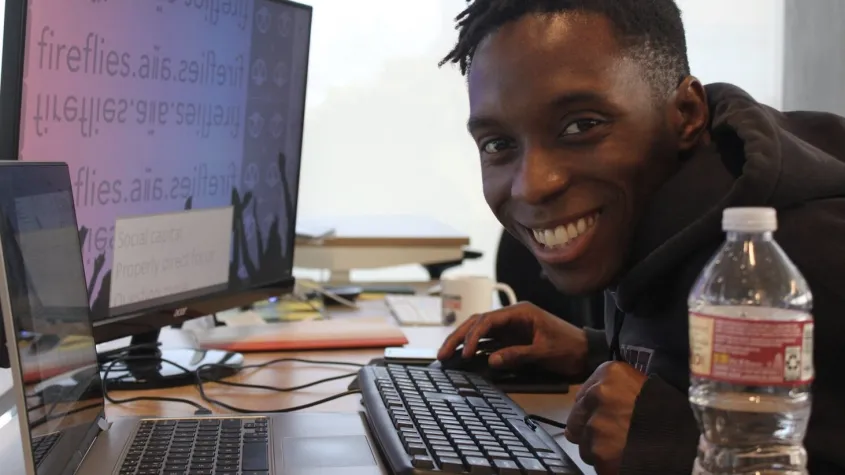
Sam Udotong still remembers the early days of Fireflies.ai, long before it became a billion-dollar AI company and long before investors took them seriously. Back then, he and his cofounder, Krish Ramineni, were living in small apartments in San Francisco, trying to survive the city’s high rent while holding onto a big idea they weren’t even sure would work.
The idea was simple: an AI assistant that could join online meetings, take notes automatically, and deliver clean transcripts without effort. But in 2017, building that technology felt far from simple. So the two founders took a different path, one that has now gone viral on LinkedIn and sparked a debate about the “fake it till you make it” attitude in startup culture.
Udotong shared that they spent months pretending to be a fully automated AI bot named Fred. Instead of writing code, they joined more than 100 customer meetings themselves and took notes by hand, quietly operating behind the scenes while customers believed Fred was their new AI assistant.
The post exploded, gathering thousands of reactions and comments. Some people praised the grit. Others questioned the ethics. But most agreed the story captured how messy and human the early stages of building an AI company can be.
Fireflies.ai is now valued at $1 billion, powered by the surge in virtual meetings during the pandemic. Yet the journey from manual note-taking to a fully automated system wasn’t as clean as a typical tech success story. It began with two founders who were nearly out of money and still determined to test whether anyone would actually pay for meeting notes handled by a bot.
Ramineni said their backs were “against the wall.” He had left Microsoft, was living on savings, and felt the pressure of rent every month. Udotong, meanwhile, had never held a full-time job. So they decided to validate their idea before writing a single line of code.
They contacted friends working in tech and asked if they would pay $100 a month for perfect meeting notes, delivered automatically by an AI assistant. Ramineni told them there would be human oversight in the early days, but he didn’t disclose that every single note was human-written, not AI-generated.
Once users agreed, the two founders logged into meetings under the name Fred. They kept cameras off, stayed silent, listened carefully, and typed the notes themselves. They delivered the summaries within a day, sometimes sooner, and quickly learned that demand was much stronger than they expected.
Soon, though, the limits of “manual AI” became obvious. Two humans couldn’t attend every meeting on time, and they couldn’t be in multiple meetings at once. Stress built up as their meeting calendar filled with overlapping times and urgent requests. After around a hundred note-taking sessions, they hit a breaking point and realized the model wasn’t sustainable.
By late 2018, the real AI product was underway. They had stopped manually taking notes and focused entirely on building automation. Small angel checks kept the company alive long enough for them to run live demos for institutional investors. By the end of 2019, they had raised more than $4 million in seed funding.
When speaking with investors, they didn’t hide what they had done. Ramineni said they explained that taking notes by hand helped them understand what “good notes” actually looked like. Instead of criticizing the approach, many investors admired the validation strategy.
Experts say the tactic is far from uncommon. Tim Weiss, a professor of entrepreneurship at Imperial College London, described it as “pretotyping,” a way to test demand by pretending the product already exists. The practice sits in a gray zone, useful in the early stage, questionable if carried too far.
Weiss explained that many founders take playful shortcuts when they need to see whether people will actually use or pay for a product. The difference, however, comes down to timing and transparency. The Fireflies.ai founders didn’t pitch investors until they had real technology, which made their earlier manual work less concerning.
Kevin Werbach of the Wharton School of Business put it more bluntly. He said “fake it till you make it” is a “hallowed element” of startup culture, when it’s done responsibly. In the best-case scenario, it’s the same mindset Steve Jobs used to push teams to build products that seemed impossible. In the worst-case scenario, it turns into deception like the downfall of Elizabeth Holmes.
Most stories, Werbach added, land somewhere in the middle. Many early tech prototypes are held together with fragile demos, hard-coded features, and a whole lot of improvisation. Even Apple’s first iPhone demo followed a strict sequence so it wouldn’t crash onstage. Meanwhile, Facebook’s personal assistant “M” relied on humans behind the curtain to answer complex questions during its private beta.
Today, Fireflies.ai no longer needs any shortcuts. According to Ramineni, the platform’s AI has processed more than 2 billion meeting minutes and generated notes for 20 million people. If a human were to do that work at an eight-hour workday, it would take more than 4,000 years.
Still, the founders say the skepticism surrounding AI is valid. They believe transparency matters, especially once a startup begins raising capital or relying on automation at scale. The early “fake it till you make it” phase has an expiration date.
“You can’t fake it till you make it forever,” Ramineni said. “That’s not how it works.”