The procurement world is massive, worth nearly $10 trillion each year, yet many companies still run their most important deals through slow, outdated processes. It’s a space full of spreadsheets, long email chains, and long negotiations where intuition often replaces data. This is the environment where startup Monq is stepping in with a bold promise: to automate enterprise deal negotiations at a scale that finally moves the needle. And with $3 million in new pre-seed funding, the company is gearing up to take this mission global.
The round was led by Outward VC with support from Cornerstone VC, Portfolio Ventures, Octopus Ventures, Endurance Ventures, Lakestar Halo, and several strategic angels. Although demand from investors was high, the founders decided to cap the round at $3 million. They shared that they turned down extra commitments that would have taken funding above $5.5 million, choosing instead to stay disciplined and focused on the early stage of the company.
This new capital will help startup Monq build out its engineering and product capabilities while accelerating expansion plans across Europe, the US, and the Middle East. The company’s ambitions are clear: it wants to reshape how the world’s largest corporations negotiate their most strategic deals.
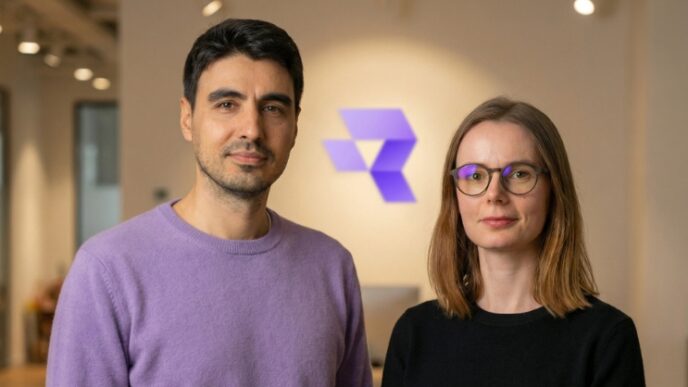
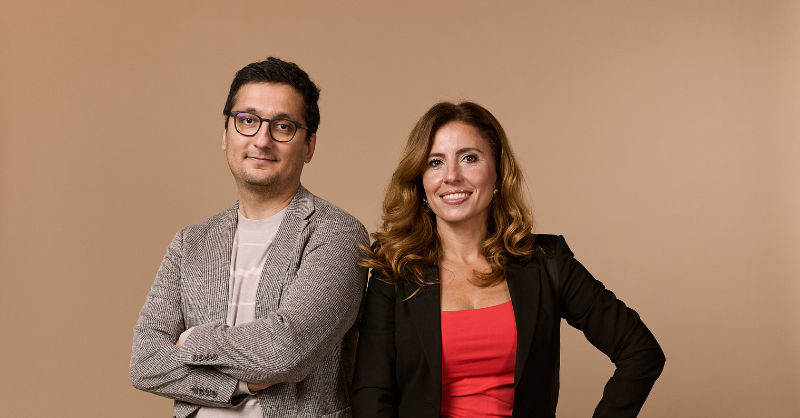
Founders Yasin Bostancı and Duygu Gözeler Porchet see a massive opportunity hiding in plain sight. Strategic procurement remains one of the few areas in the enterprise that has resisted automation. Deals worth millions still depend heavily on instinct, legacy methods, and human memory rather than structured intelligence. That gap creates delays, higher costs, and missed opportunities that often add up to billions in lost value. They believe startup Monq can close this gap with a new model built for modern dealmaking.
Startup Monq combines advanced language models, contract expertise, and behavioural insights. It’s designed as a partner that works side-by-side with human teams, not a replacement. In early trials, the platform helped teams cut costs by up to 40% and close deals up to five times faster. These results come from a clear shift in how negotiations are handled. Instead of reacting to problems late in the process, teams gain real-time guidance on the best moves to make, backed by historical deal patterns and supplier behaviour.
The idea for startup Monq began taking shape when Bostancı, a former Operating Partner at Revolut’s CEO Office, saw first-hand how much value gets lost in procurement. He had spent years inside high-growth environments where decisions had to be made quickly, and the lack of structured negotiation intelligence slowed down progress. He noticed that while procurement specialists bring experience and intuition, they often work without the data and predictive intelligence needed to negotiate with speed and confidence. That blend of instinct and missing insights paved the way for the Monq vision.
In parallel, co-founder Duygu Gözeler Porchet brought decades of global banking experience from major institutions, including Deutsche Bank and HSBC. She saw similar inefficiencies playing out at the enterprise level, where strategic deals frequently rely on manual workflows and unstructured communication. Her background in leadership, negotiation, and operational excellence helped shape the behavioural science approach now built into Monq’s platform.
Together, they found a shared mission: build an AI system that amplifies good judgment rather than replaces it. They understood that procurement teams don’t want to lose control; they want tools that reduce complexity, surface insights they can trust, and increase the clarity of every decision. That goal shaped the architecture of startup Monq’s multi-agent platform.
The system goes far beyond digitising workflows. Monq’s AI simulates negotiation counterparts, using signals such as past deal outcomes, concessions patterns, pricing behaviours, and supplier profiles to suggest the next best step. It gives teams full control over how much autonomy they delegate to the system. Some teams use Monq for guidance only; others allow the system to drive parts of the negotiation directly. This flexibility creates a hybrid model that feels natural to procurement leaders who want precision without losing authority.
Early pilots across manufacturing, healthcare, and automotive show strong outcomes. Teams gained faster deal cycles, fewer bottlenecks, and stronger negotiation positions backed by consistent data. For many organisations, these improvements translated into millions saved within months. These results hint at the scale of the opportunity for startup Monq, especially as enterprises begin to modernise procurement alongside finance, HR, and operations.
Although the procurement tech space has competitors such as ProcureTech Solutions, IntelliProcure Inc., and SmartBuy Innovations, Monq positions itself differently. It uses negotiation psychology and behavioural cues to shape each recommendation. The platform isn’t just about efficiency—it’s designed to help teams understand how counterparties think, respond, and react during high-stakes moments. This human-plus-AI blend is what sets Monq apart.
Gözeler also spoke about her experience building a deep tech company as a woman. She shared that coming from senior finance roles, she’s used to operating in male-dominated environments. That background gave her the confidence and resilience needed to navigate the tech landscape. However, she emphasised that women should never downplay their strengths. Emotional intelligence, perspective, and leadership intuition remain vital in negotiation-heavy fields like procurement and AI. She encouraged women entering tech to stand firm, champion their ideas loudly, and surround themselves with both women and men who support their rise.
Her message carries weight in an industry still striving for stronger female representation. She noted that the tech sector needs more diversity of thought, and women founders have an opportunity to drive change not only through their companies but through the example they set for future leaders.
With its funding secured, startup Monq is preparing for its next chapter. Part of the plan is to offer the platform through a subscription model, which gives enterprises a predictable way to access its capabilities. Later, the team plans to roll out performance-based pricing for companies looking to link fees directly to realised savings. This model mirrors how procurement leaders think about value—clear, measurable outcomes.
Investors backing startup Monq say the timing is right. The procurement industry is entering a new phase where automation, AI agents, and negotiation intelligence will play a major role. As corporations look for ways to streamline operations and reduce risk, the ability to automate strategic negotiations becomes a competitive advantage. Outward VC partner Devin Kohli described the opportunity as a “blue ocean” for AI innovation and believes Monq is already demonstrating measurable value.
The broader picture is clear. Procurement has long been one of the enterprise’s most complex and under-automated functions. Companies have tools for sourcing, contract storage, vendor management, and analytics, but very few solutions address actual dealmaking itself. Startup Monq is building around that missing piece. It’s tackling the messy, unpredictable middle ground where decisions happen, where outcomes shift dramatically based on timing, wording, and strategy. By supporting teams through this complexity, Monq is unlocking value that often disappears unnoticed.
As the global rollout continues, the company expects to work closely with large organisations across sectors. Their goal isn’t only to speed up workflows, but to reshape how enterprises approach negotiation altogether. If Monq succeeds, procurement leaders may soon rely on AI partners as naturally as they rely on finance dashboards or CRM systems today.
For now, the momentum is unmistakable. Startup Monq has the capital, the expertise, and a clear vision. As enterprises search for smarter ways to negotiate in a fast-changing world, Monq’s AI-driven model is arriving at exactly the right time.