Breach fatigue is dangerous because it quietly erodes the very instincts that keep people and organizations safe. At first, every alert feels urgent. Every notification sparks action. Over time, however, constant exposure to data breaches, security warnings, and crisis headlines dulls that response. When breaches start to feel routine, risk stops feeling real. That psychological shift is where the danger begins.
One major risk of breach fatigue is normalization. When users hear about breaches weekly, sometimes daily, they begin to assume that compromise is inevitable. This mindset reduces motivation to change passwords, enable multi-factor authentication, or follow security best practices. If “everyone gets breached anyway,” then prevention feels pointless. That belief directly increases exposure to future attacks.
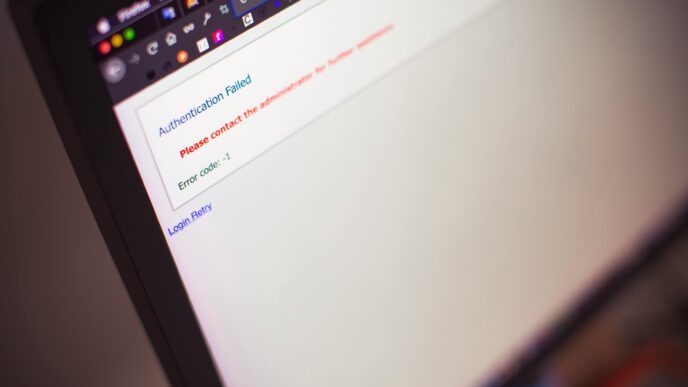
Another problem is slower reaction time. Breach fatigue trains people to ignore alerts, emails, and warnings that look familiar. Unfortunately, attackers rely on this exact behavior. Phishing emails succeed not because they are sophisticated, but because recipients are tired. When attention drops, malicious messages slip through. A single ignored alert can turn a minor incident into a full-scale breach.
Breach fatigue also weakens organizational decision-making. Security teams overwhelmed by constant incidents may start prioritizing speed over accuracy. Alerts get dismissed too quickly. Investigations become shallow. Over time, this creates blind spots where serious threats go unnoticed. According to repeated industry reports from organizations like IBM and Verizon, human factors remain a leading cause of breach impact, even when technical defenses are strong.
There is also a trust cost. Customers exposed to endless breach news become cynical. They expect companies to fail at protecting data. This reduces confidence, increases churn, and makes recovery harder after an incident. When a real breach occurs, organizations facing fatigued audiences struggle to communicate urgency or credibility. Important warnings may be ignored when they matter most.
On an individual level, breach fatigue affects mental health and judgment. Constant fear messaging creates stress, then apathy. People swing from anxiety to detachment as a coping mechanism. That emotional shutdown makes them less cautious, not more. Ironically, the more breaches people hear about, the less carefully they behave online.
The danger is not the number of breaches alone. It is the loss of sensitivity to risk. Security works best when attention is selective and meaningful. When everything is an emergency, nothing feels like one. Breach fatigue turns real threats into background noise, giving attackers the advantage.
Reducing breach fatigue requires smarter communication, not louder alarms. Fewer alerts, clearer prioritization, and better context help people understand what truly matters. When warnings feel relevant and rare, they regain their power. Without that reset, breach fatigue continues to quietly undermine security from the inside out.