Fluencify has raised $4.3 million after proving that creator marketing may no longer need traditional influencer agencies. The Stockholm startup reached more than $2 million in annual recurring revenue only six months after launching commercially. Its early traction suggests brands increasingly want measurable distribution without managing creators, briefs, payments, and campaigns separately. That shift could make AI influencer marketing less about celebrity reach and more about repeatable performance infrastructure.
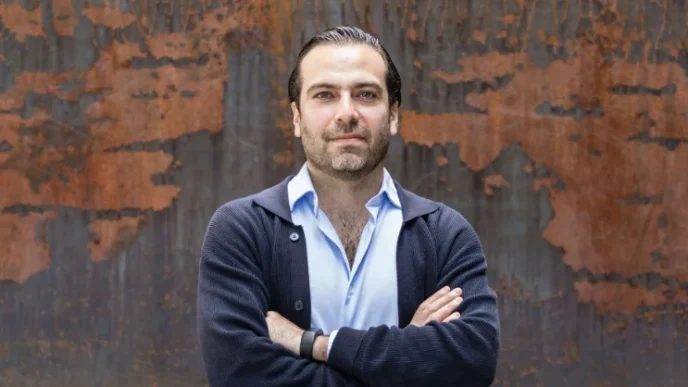
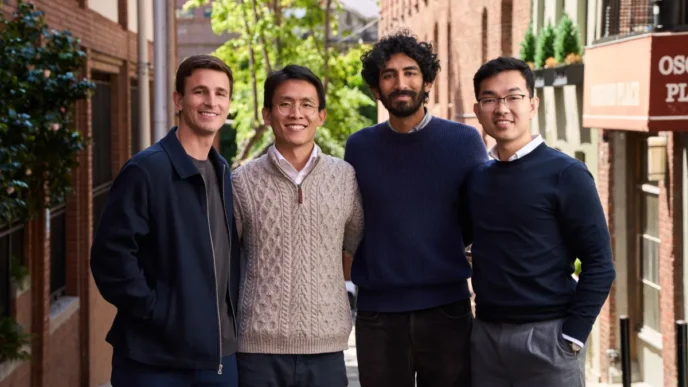
The company was founded in 2025 by Erik Romdhane, Isaac Norin, and Sam Stones Hälleberg in Stockholm. Romdhane entered social media unusually early, selling advertising space and Instagram accounts before finishing his teenage years. He later built an influencer agency and sold his stake at seventeen, gaining firsthand experience managing campaign complexity. That background now shapes Fluencify’s attempt to automate work that agencies traditionally handle through large account teams.
Fluencify’s $4.3 million pre-seed round was oversubscribed, with Nordic investor byFounders leading alongside participation from Wave Ventures. The company says strong investor demand followed rapid commercial growth and encouraging retention among brands using the platform. Within six months, Fluencify crossed $2 million in annual recurring revenue while operating with only six employees. That efficiency strengthens the case that AI influencer marketing can scale differently from labor-heavy agency models.
Instead of asking brands to search through marketplaces, Fluencify manages campaigns from planning through creator payments and promotion. Brands describe their goals, while the platform handles creator selection, outreach, briefing, scheduling, paid distribution, and international payments. Fluencify uses artificial intelligence agents to coordinate much of that work without requiring constant manual campaign management. The result resembles an outsourced growth system rather than another marketplace where brands browse creators and negotiate individual deals.
The company also challenges a basic assumption that successful creator campaigns require influencers with established audiences before participating. Fluencify recruits ordinary people, including creators without existing followers, then helps them produce content designed for specific campaigns. Some participants can therefore earn through content creation without spending years building large personal audiences on social platforms. That approach broadens AI influencer marketing beyond established personalities while giving brands access to a much larger creator pool.
Fluencify currently promotes an ambassador model that encourages creators to work repeatedly with brands instead of posting once. Longer relationships can help creators understand products better while giving companies more consistent content across several campaign cycles. The company also packages production, usage rights, creator payments, and campaign delivery inside a single commercial relationship for brands. That structure removes administrative work that often makes influencer marketing difficult to manage once campaigns reach meaningful scale.
The funding arrives as consumer companies face a different problem from the one software businesses faced several years ago. Building products has become faster, particularly with artificial intelligence lowering development costs for many digital startups and teams. Reaching customers remains difficult because social feeds are crowded and paid acquisition channels can become increasingly expensive quickly. Fluencify is betting that AI influencer marketing can make creator-led distribution more predictable without rebuilding agency teams internally.
Fluencify’s founders bring unusually direct experience from both sides of the creator economy they are attempting to automate. Romdhane previously worked with brands through his agency, while Hälleberg built an audience exceeding one million followers online. Norin brings the technical background, having previously built software products with Hälleberg before they launched Fluencify together. Their combined experience matters because AI influencer marketing still requires understanding human behavior, creative quality, and brand expectations.
Automation does not remove those challenges, and Fluencify will eventually need to prove technology can handle complicated campaign decisions. Brands still care about tone, creator suitability, cultural context, audience reaction, and unexpected problems surrounding individual content pieces. Agencies traditionally justify their fees partly through judgment when campaigns perform badly or creators produce unsuitable material unexpectedly. Fluencify’s larger test will involve showing artificial intelligence can reduce coordination costs without weakening those important human decisions.
The company is now preparing to enter the United States, where creator marketing competition is considerably more intense. Fluencify plans to establish a New York office focused on sales, customer success, and its wider market expansion. Engineering will remain in Stockholm, allowing the company to preserve its technical base while building commercial operations abroad. Success there could demonstrate whether its AI influencer marketing model travels beyond Europe into a larger advertising market.
The expansion will also place Fluencify against established platforms and newer startups trying to modernize creator campaign management. Traditional marketplaces generally help brands discover creators, while agencies often manage relationships and execution through dedicated human teams. Fluencify wants to combine those functions while automating the operational layer between campaign strategy and actual creator output. That positioning becomes stronger if brands increasingly prefer purchasing measurable results instead of paying mainly for access to influencers.
Fluencify’s own brand offering already reflects that direction by emphasizing guaranteed views rather than individual videos or creator profiles. Customers can purchase monthly campaign capacity while Fluencify handles creators, production, usage rights, payments, and other operational requirements. This outcome-focused model could change how AI influencer marketing gets priced if brands become comfortable buying distribution directly. It also places pressure on conventional agencies whose margins depend heavily on managing processes that software can increasingly automate.
The most interesting part of Fluencify’s story may therefore be what happens to the definition of an influencer itself. If brands can achieve strong results using ordinary creators, existing audiences may become less important than content effectiveness. Artificial intelligence could then shift value toward finding, briefing, and coordinating many suitable creators at much greater speed. That would make AI influencer marketing an infrastructure business rather than simply another technology layer around social media personalities.
For Fluencify, the opportunity is much larger than replacing several repetitive tasks performed by influencer marketing account managers. The company wants brands to describe desired outcomes while its system handles execution across creators, campaigns, and payments automatically. If that model works reliably, companies could run creator marketing with far fewer internal resources than previously required. Fluencify’s early traction suggests that possibility already interests brands, while its American expansion will provide the harder test.