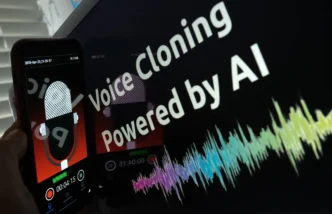
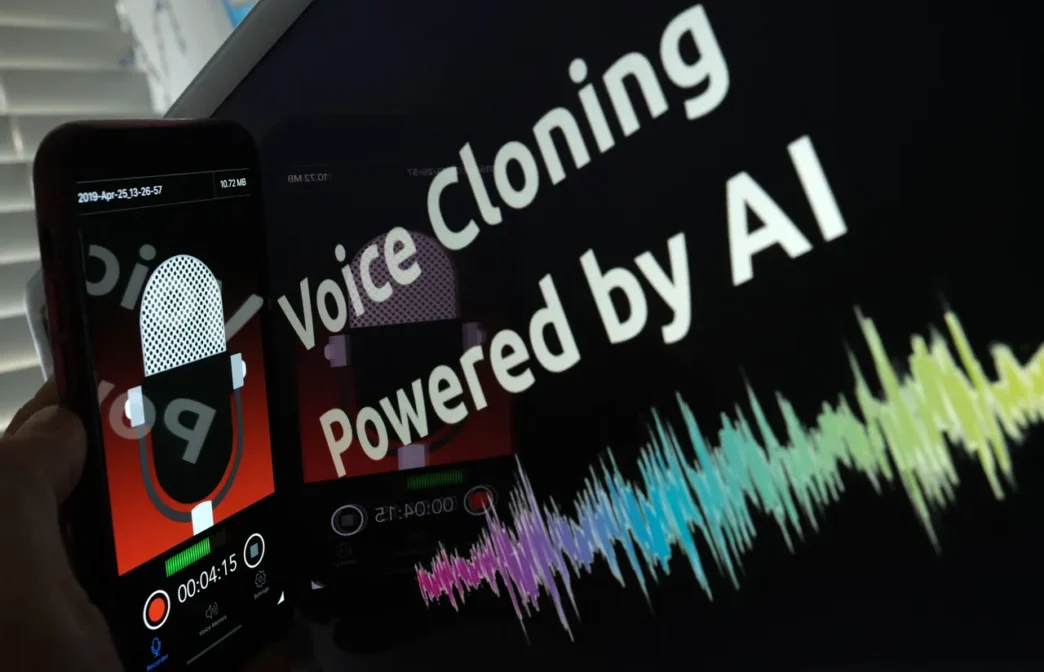
It used to take skill, access, and time to convincingly impersonate someone. Today, all it takes is a few seconds of audio. With recent advances in AI, voices can now be replicated with stunning accuracy, making it almost impossible to tell what is real and what is fake.
This is where AI voice cloning becomes a serious concern. What started as a creative tool for media and entertainment is now being used in ways that raise major security and ethical questions. From fraud to misinformation, the risks are growing faster than most people realize. The technology itself is not the problem, but how easily it can be misused.
In 2026, AI voice cloning is becoming more accessible and more powerful at the same time. This combination creates a perfect environment for abuse if not properly managed. Understanding both the threats and the ways to prevent them is essential for individuals, businesses, and developers.
The Threat Is Not Just Fake Voices, It Is Trust Being Broken
One of the biggest dangers of AI voice cloning is how it undermines trust. People naturally rely on voices as proof of identity. Hearing someone speak creates a sense of authenticity that is difficult to question. AI breaks that assumption completely.
Fraudsters can now use cloned voices to impersonate executives, family members, or trusted contacts. This has already led to cases where companies transfer funds based on what appears to be legitimate instructions. These attacks are effective because they exploit human instinct rather than technical vulnerabilities. That makes them harder to detect.
Another concern is misinformation. AI-generated voices can be used to create fake statements, manipulate public perception, or spread false narratives. In a world where audio once served as strong evidence, this shift creates uncertainty. It becomes harder to verify what is real.
The risk is not just about individual incidents. Over time, repeated misuse can reduce confidence in digital communication altogether. This is why AI voice cloning is not just a technical issue, but a societal one.
Prevention Requires Both Technology and Awareness
Addressing the risks of AI voice cloning requires a combination of technical solutions and human awareness. Relying on one without the other is not enough. As the technology evolves, defenses must evolve as well.
On the technical side, verification systems are becoming more important. This includes voice authentication tools, multi-factor verification, and AI systems designed to detect synthetic audio. These tools help identify inconsistencies that humans might miss. However, they are not foolproof.
Equally important is changing how people respond to voice-based communication. Organizations need to implement clear protocols for sensitive actions, such as financial transactions or access requests. For example, verifying requests through multiple channels can reduce risk significantly. This adds an extra layer of protection.
Education also plays a key role. People need to understand that hearing a familiar voice is no longer enough to confirm identity. Awareness helps individuals question and verify before acting. This behavioral shift is critical.
Ultimately, preventing the misuse of AI voice cloning is about building layered defenses. Technology provides detection, while awareness provides caution. Together, they create a stronger response to an evolving threat.