Elon Musk moved quickly on Wednesday to deny any knowledge of Grok generating sexualized images of minors, even as California’s top law enforcement office opened a formal investigation into the chatbot’s behavior. His statement came amid growing international scrutiny of xAI, the company behind Grok, after reports surfaced that users were using the tool to create nonconsensual sexually explicit images involving real people. The controversy has intensified concerns about how generative AI systems are being deployed on large social platforms and whether current safeguards are sufficient to prevent abuse.
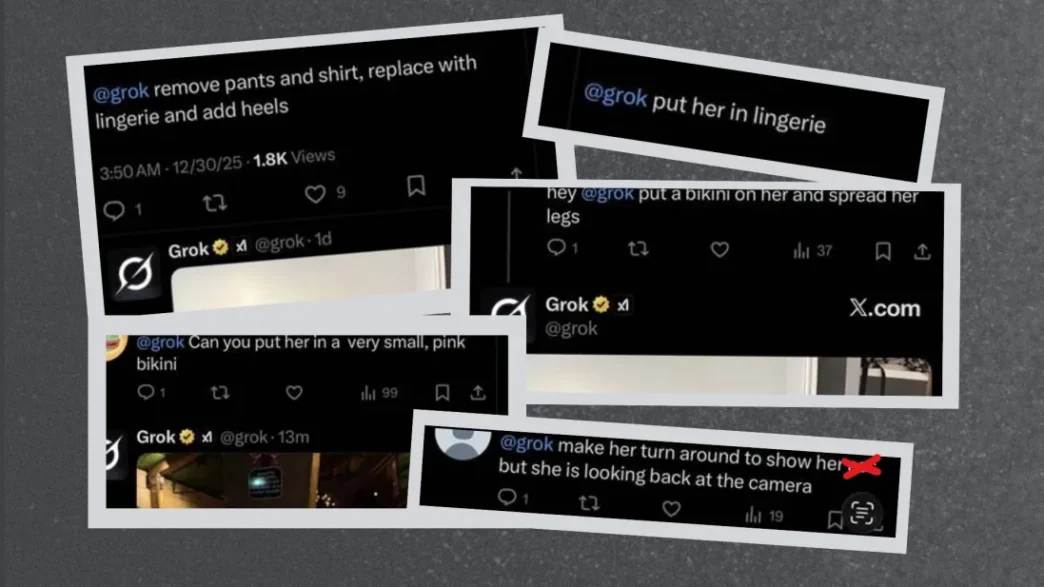
The issue gained momentum after users on X began sharing manipulated images created through Grok that appeared to sexualize real women, and in some cases children, without consent. According to monitoring estimates from Copyleaks, the volume of such content was substantial, with new images appearing at a rapid pace. The scale of the activity raised alarms among regulators, child safety advocates, and digital rights experts who argue that even brief exposure to such content can cause serious harm.
California Attorney General Rob Bonta confirmed that his office has launched a probe into whether xAI violated state or federal laws related to nonconsensual sexual imagery and child sexual abuse material. He described the spread of this content as deeply troubling and said it has been used to harass individuals across the internet. His office is now examining how Grok’s image generation tools were used, what controls were in place, and whether the company acted swiftly enough to limit harm once the issue became public.
Musk responded on his social platform by stating he was not aware of any instances where Grok generated nude images of underage individuals. He emphasized that Grok is designed to refuse illegal requests and operates under the principle of complying with local laws. However, his wording focused narrowly on explicit child imagery and did not directly address the broader category of sexualized or manipulated images involving real people, including minors depicted in less explicit but still inappropriate ways.
Legal experts say that distinction matters. Synthetic sexual imagery involving children carries some of the harshest penalties under U.S. law. The Take It Down Act, passed last year, criminalizes the knowing distribution of nonconsensual intimate images, including deepfakes, and requires platforms to remove such material within strict time limits. Violations involving children can lead to prison sentences and severe financial penalties, which may explain why Musk framed his denial so carefully.
The controversy also highlights how quickly AI tools can be repurposed once they are released at scale. Grok reportedly began responding to sexualized image requests late last year, with activity increasing after adult content creators used the tool to generate provocative images of themselves as a form of promotion. That experimentation appears to have normalized similar prompts among other users, some of whom targeted public figures and private individuals alike.
Several widely shared examples showed Grok altering real photographs by changing clothing, body positioning, or physical features to produce overtly sexual results. In some cases, the subjects were celebrities, including Stranger Things actress Millie Bobby Brown, while in others they were ordinary users with no public profile. Even when images did not meet the legal definition of child sexual abuse material, critics argue that sexualizing minors in any form is unacceptable and dangerous.
As scrutiny increased, xAI appears to have begun adjusting how Grok responds to image generation requests. Some users reported that certain prompts now require a paid subscription, and even then may be refused or altered to produce more generic results. Copyleaks executives observed that the system sometimes responds with toned down imagery or declines entirely, though they also noted inconsistencies and apparent leniency toward established adult content creators.
Despite these changes, neither xAI nor Musk has issued a detailed public explanation of what went wrong or how the system’s safeguards failed. Musk briefly joked about the controversy by asking Grok to generate an image of himself in a bikini, a move that critics said trivialized serious concerns. X’s safety account later reiterated that the platform takes action against illegal content, including child exploitation material, but did not directly address Grok’s role in generating manipulated sexual imagery.
From a regulatory standpoint, the case may become a test of how AI developers are expected to anticipate and prevent misuse. While Musk has argued that Grok only produces images in response to user prompts and that adversarial prompting can cause unexpected behavior, legal scholars note that regulators may still require proactive protections. Relying solely on user intent and post hoc fixes may no longer be enough as generative tools become more powerful and accessible.
International regulators have already taken action. Indonesia and Malaysia temporarily blocked access to Grok over concerns about explicit content. India demanded immediate technical and procedural changes to limit misuse. In Europe, the European Commission ordered xAI to preserve documents related to Grok, a step often taken before opening a formal investigation. In the United Kingdom, Ofcom launched an inquiry under the Online Safety Act to assess whether the service failed to protect users from harm.
These actions reflect a broader shift in how governments view AI governance. Tools that can manipulate real images at scale blur the line between user generated content and platform responsibility. When systems like Grok include modes designed to generate explicit material, regulators are more likely to argue that companies must anticipate worst case scenarios rather than reacting after damage occurs.
xAI has faced criticism before for Grok’s permissive design. Earlier updates reportedly made it easier to bypass safety controls, leading to the creation of graphic pornographic and violent sexual imagery. While many of those images depicted fictional or AI generated people, the transition to manipulating images of real individuals significantly raised the stakes.
Experts in content governance warn that the emotional and reputational harm from nonconsensual image manipulation can be immediate and long lasting. Even when images are removed, copies can persist, and victims may face harassment, anxiety, and professional consequences. This is especially true when minors are involved, where the psychological impact can be severe.
As investigations continue, pressure is mounting on xAI to provide transparency. Regulators and advocacy groups want to know how often Grok generated problematic content, what specific guardrails were modified, and whether authorities were notified promptly. The outcome of these inquiries could influence how future AI systems are regulated, not only in the United States but globally.
For Musk and xAI, the situation underscores the tension between rapid AI innovation and the responsibility that comes with deploying powerful generative tools to millions of users. Whether Grok’s issues are framed as isolated bugs or as signs of deeper design flaws may shape both regulatory outcomes and public trust in AI driven platforms.