
Slackbot AI agent marks a major shift inside Slack as Salesforce pushes deeper into enterprise automation and generative intelligence. The automated helper that once handled simple reminders and notifications is now positioned as a full AI agent designed to work alongside employees every day. Salesforce believes this new Slackbot could spread through workplaces with the same viral energy that made conversational AI mainstream.
The updated Slackbot AI agent is now live for Business Plus and Enterprise Plus customers. Salesforce says the rollout transforms Slackbot from a basic assistant into an always-on digital coworker that can search for information, draft emails, schedule meetings, and complete everyday tasks directly inside Slack. Employees no longer need to jump between tools to complete routine work. Everything happens inside the same conversations they already use.
This shift reflects a broader strategy at Salesforce to embed AI deeply across its software ecosystem. Slack sits at the center of that plan. By turning Slackbot into an AI agent, Salesforce aims to make AI feel less like a feature and more like a natural part of daily work.
The new Slackbot can connect to external enterprise tools when permission is granted. That includes platforms like Microsoft Teams and Google Drive. With access enabled, Slackbot can retrieve files, surface documents, and pull context from multiple systems without forcing users to leave Slack. The goal is simple. Reduce friction and keep employees focused.
Salesforce first previewed this reimagined Slackbot at its annual Dreamforce conference last October. Since then, the company has refined the product through extensive internal testing. According to Salesforce leadership, Slackbot quickly became one of the most widely adopted internal tools across the company. Employees used it by choice rather than mandate, which Salesforce views as a strong signal of product-market fit.
Salesforce owns Slack and has steadily increased investment in AI across its portfolio. From CRM automation to analytics and customer service, the company is betting that AI-driven workflows will define the next era of enterprise software. Slackbot plays a key role in that vision because it lives where work conversations already happen.
Slack has historically evolved through continuous updates rather than splashy feature launches. Salesforce CTO Parker Harris explained that this approach makes Slackbot unique. Instead of releasing it as a standalone product, Salesforce treated Slackbot as a core upgrade to the Slack experience itself. That strategy is meant to accelerate adoption and reduce resistance.
Harris emphasized that the new Slackbot is fundamentally different from previous versions. While the name stayed the same for familiarity, the underlying technology changed completely. Slackbot is now powered by generative AI and designed from the ground up to function as an agent rather than a rule-based bot.
Inside Slack, employees can ask Slackbot to summarize conversations, find documents, prepare drafts, or coordinate schedules. The AI understands context from channels and messages, which allows it to respond in a way that feels relevant rather than generic. This contextual awareness is central to Salesforce’s pitch. Slackbot is not meant to replace human judgment but to remove busywork.
Salesforce says this agentic design is intentional. Instead of overwhelming users with options, Slackbot focuses on tasks that naturally fit into work conversations. That includes meeting coordination, knowledge discovery, and content drafting. Each action happens within the flow of chat, making AI assistance feel less disruptive.
The company’s internal testing revealed something notable. Slackbot adoption spread organically. Teams began using it because it saved time, not because leadership required it. Harris described this as one of the strongest indicators that Salesforce had landed on the right product direction.
Slackbot’s rise comes at a moment when enterprise software companies are racing to redefine themselves through AI. Competitors across productivity, collaboration, and CRM markets are rolling out their own assistants and agents. Salesforce’s approach differs in its emphasis on integration. Slackbot is not a separate dashboard or plugin. It is embedded directly into daily communication.
This design choice reflects how work actually happens. Employees spend a large portion of their day in messaging tools. By placing AI inside those tools, Salesforce hopes to capture attention where it already exists rather than asking users to learn new interfaces.
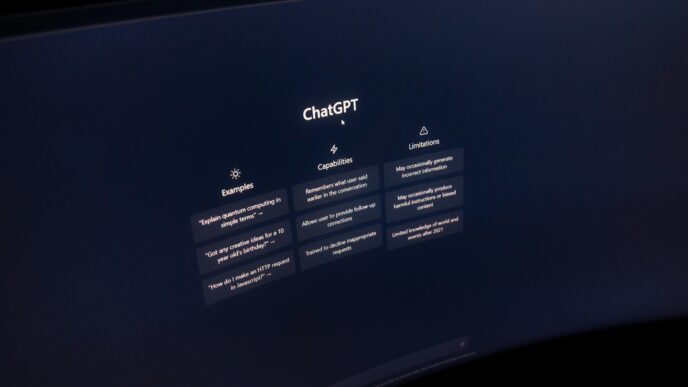
Harris also addressed comparisons to consumer AI tools like OpenAI’s ChatGPT. While Slackbot targets a different audience, Salesforce hopes it can achieve similar cultural penetration within companies. The idea is not novelty but usefulness. If Slackbot becomes indispensable, it spreads naturally.
Looking ahead, Salesforce plans to expand Slackbot beyond text. Voice capabilities are already on the roadmap. That would allow users to interact with Slackbot hands-free during meetings or while multitasking. The company also wants Slackbot to browse the internet alongside users, bringing external information into Slack conversations in real time.
These future capabilities signal that Salesforce views Slackbot as a long-term platform rather than a static feature. As AI models improve, Slackbot is expected to gain more autonomy and broader skills. Salesforce believes that investing early in this agentic foundation will pay dividends across the entire organization.
From a business perspective, Slackbot also strengthens Salesforce’s enterprise moat. AI agents tied deeply into workflows are harder to replace than standalone tools. Once teams rely on Slackbot for coordination and knowledge access, switching platforms becomes more costly.
This strategy aligns with Salesforce’s broader mission to grow enterprise AI adoption while maintaining trust. By keeping Slackbot inside secure, permission-based environments, Salesforce aims to address concerns around data access and governance. Enterprises control what Slackbot can see and do, which is critical for regulated industries.
Slackbot’s transformation highlights a larger shift underway in enterprise software. AI is no longer confined to analytics or automation back ends. It is moving to the front lines where employees interact with systems daily. Slackbot represents that shift in a familiar form.
Salesforce leadership remains confident that this is only the beginning. As Slackbot evolves, it is expected to become more proactive, more conversational, and more deeply integrated across enterprise tools. For Salesforce, success will be measured not by hype but by daily usage.
If Slackbot continues to gain traction the way Salesforce expects, it could redefine how employees interact with software at work. Instead of clicking through menus and dashboards, workers may increasingly rely on conversational AI agents to get things done. Salesforce is betting that Slackbot will lead that change from inside the chat window.